

A growing body of federal research showed that fragmented systems and uncoordinated workflows remain one of the biggest barriers to efficient public-sector service delivery. Repeatedly, the U.S Government Accountability Office has provided that duplication and lack of alignment between the federal programs cost taxpayers billions of dollars annually and delay agency performance. It is precisely the type of issue that the Federal Enterprise Architecture (FEA) has been designed to address.
FEA offers an integrated framework for the way federal agencies are organizing their business activities, information, services, and technology. FEA facilitates smooth coordination of the work and removes redundancy among the departments by providing a common language and framework that agencies use to describe operations and investments.
This congruency is directly felt at Behar Font. The design of the workspace is more than layout or design; it builds up out of the knowledge of the way organizations work. Enterprise architecture directs those functions in the public sector; therefore, it is a fundamental basis of planning functional work environments, efficient work, and future-ready government settings.
What You Should Know About Federal Enterprise Architecture (FEA)
The Federal Enterprise Architecture (FEA) is a common standardized policy applied to federal agencies in an attempt to synchronize business processes, data, services and technology. Its existence is to create order and uniformity in the planning, operation, and modernization of the working environment of agencies.
In its simplest sense, FEA offers a standard language and framework through which government organizations define and discuss their investments and daily business activities. This common structure enhances easier coordination of the agencies, comparison of functions, and alignment of the agencies towards similar goals.
To facilitate such a structure, FEA counts upon some reference models such as the Business Reference Model (BRM), Service Component Reference Model (SRM), and the Data Reference Model (DRM). Both of the models diagram the particular elements of the interaction of functions, services, data, and technology, enabling the agencies to view the whole picture.
FEA goes far beyond IT. It is the gap between the business requirements, operating processes, and the physical and technological infrastructure to support them.
The Importance Of Enterprise Architecture To Public Workspaces
Enterprise architecture and physical workspace design are closely related. While Federal Enterprise Architecture (FEA) is an organizational and technology framework, it directly influences how government workspaces should be designed. FEA explains how federal agencies operate, how teams interact, and how information flows. When architects understand this internal structure, they can create buildings and interiors that support the real workflows of the agency rather than designing in a vacuum.
Using a robust EA model, the public-sector facilities will be able to attain:
- Coherence between federal agencies with a similar framework: Shared architectural standards entail ease with which agencies make use of typical spaces, services, as well as infrastructure.
- Efficient Business services and business processes: Map business functions by using the BRM and identify the elements of services by using the SRM, which assists agencies in developing spaces that facilitate the way work occurs.
- Infrastructure that is future-ready: The TRM and target architecture directive make sure that technology systems and physical space evolve concurrently and not independently.
When an enterprise architecture is considered in the design of a government building, it is the workflow that is supported by the facility and not the structure.

Key Elements Of The Framework Between BRM And TRM
The Federal Enterprise Architecture Framework is constructed on a number of structured models, which are used to assist the agencies in comprehending the relationship of their functioning, services, data, and technology. Both models concentrate on the various levels of the organization, which produces an overall image of the way the federal effort should operate.
1. Business Reference Model (BRM)
The BRM also describes the fundamental business arenas and business functions that have been adopted by the federal agencies. It provides organizations with a single method of defining what they are doing, which allows comparisons across the functions and allows some overlap to be identified.
2. Service Component Reference Model (SRM)
The SRM determines reusable service elements to support such business functions. Agencies will be able to consolidate processes and decrease redundancy by concentrating not on independent systems but on common capabilities.
3. Data Reference Model (DRM)
The DRM defines data that is shared and used among agencies. This model enhances interoperability and makes sure that information circulates in the right place where it is required.
4. Technical Reference Model (TRM)
Defining the infrastructure, standards, and platforms needed to support services, the TRM, sometimes known as the technology architecture, defines the architecture. It assists the agencies in staying consistent in their technology decisions, and they are compatible across systems.
5. Performance And Investment Reference Models (PRM/IRM)
These models relate business results to facilitating investments and capabilities. They assist the agencies in monitoring performance and allocating resources more efficiently, besides justifying where improvements can be made.
This stratified system provides an easy roadmap on how the federal agencies are running their day-to-day lives as well as how they ought to be moving forward. Enterprise architects will have a realistic modernization and long-term strategic planning roadmap by progressing their enterprise to a single target architecture after basing it on an as-is state.
Introduction Of Architecture In Workplace Design: Our Approach
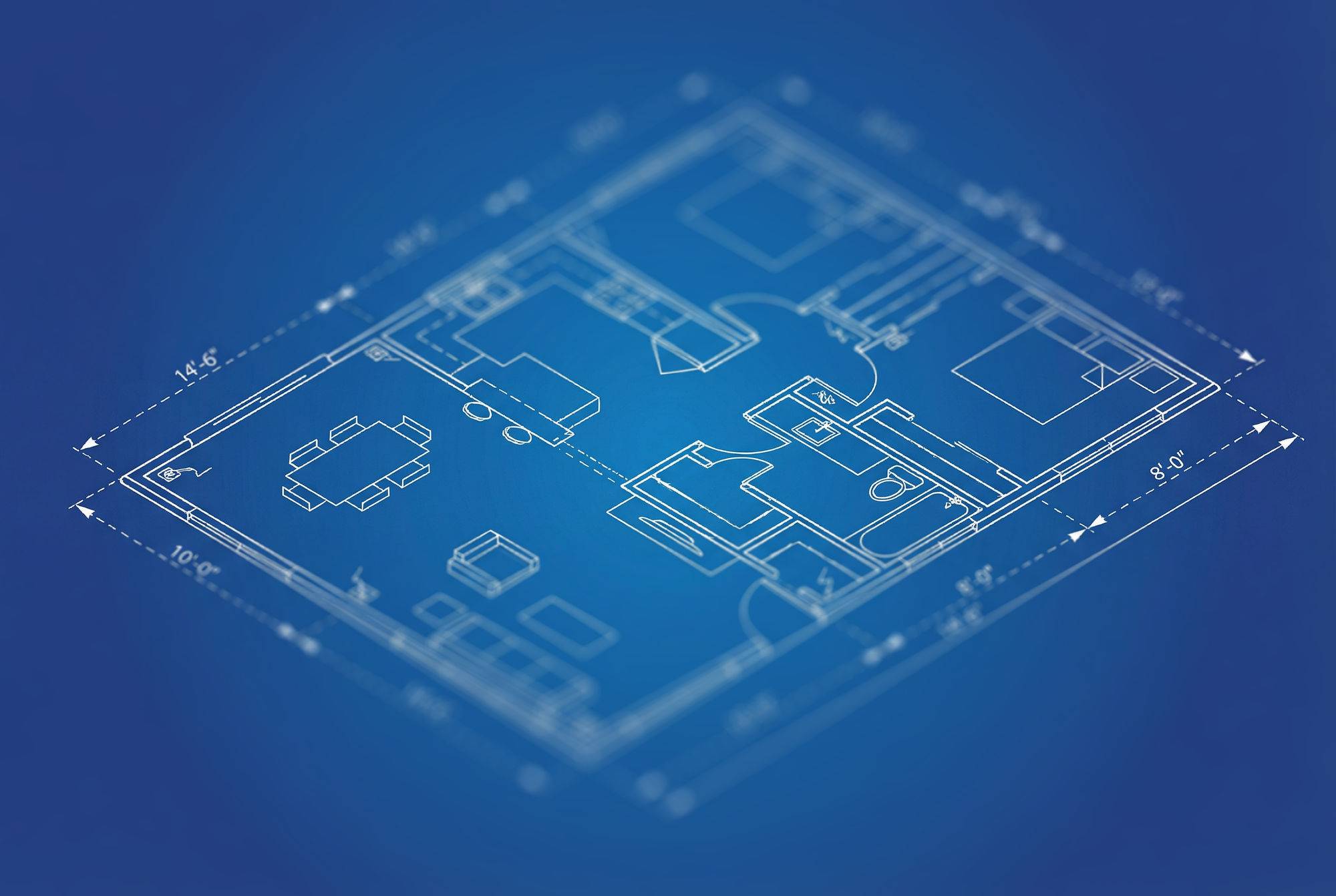
For architecture firms such as Behar Font, FEA functions like a “workplace blueprint.” It shows which departments collaborate, where public-facing services occur, and what technology systems must be supported. This information helps architects plan layouts, adjacencies, circulation, shared spaces, and infrastructure in a way that aligns with how the agency actually operates. Without this understanding, a space may look good aesthetically but function poorly for the people working in it.
And this is the way we incorporate these principles into our design process:
- Mapping workflow geography: We examine the mobility of people across a location, how groups interact with each other, and how services are provided to learn about the working flow.
- Fitting space to business functions: In the case of functions that touch on citizens, such as in the case of designing layouts that facilitate easy check-ins, efficient data processing, and well-structured waiting bays.
- Technology architecture requirements: Connectivity, shared platform, and system needs will be used to plan infrastructure like power distribution, data routing, and HVAC design.
- Practical applications of what was learned: Based on our experience with Okan Tower, we show that we build on the idea of integrated design. In a business environment, similar concepts take place in the coordination of functions, services, technology and space as in the case of enterprise architecture.
- Multi-agency space design: Co-location of agencies implies that we apply an enterprise-architecture way of thinking to the creation of shared service areas, flexible work areas, and flexible infrastructure, which will accommodate the dynamic operational patterns.
Through these principles, by basing our planning on them, we develop conditions in which the physical layout, technology and organizational requirements do not conflict, but rather collaborate, play with each other.
What It Takes To Build Workspaces That Truly Work
Application of enterprise architecture in the public workspaces is associated with practical challenges, most of which are based on individuals, old systems, and habits. All these challenges determine the pace at which agencies will be able to modernize- and how well the process of change is considered.
Among the greatest barriers are:
- Stakeholder complexity: Federal modernization deals with various agencies, all associated with its systems, priorities, and internal culture. Organizing such a large number of moving parts is frequently among the most difficult.
- Old infrastructure: A lot of government infrastructure and IT environments were never designed to accommodate built-in services. Making them updated must be planned well and with a realistic opinion of what can be altered, and in what time.
- Governance and standards: Lack of clear leadership of the CIOs and enterprise architects can lead to easy fragmentation of the framework. Effective governance ensures that modernisation activities are in line and consistent.
- Security and privacy: There are real risks that are presented by shared services and data exchange. The architecture should be designed to provide security and not be an afterthought.
Significant improvement requires consistent leadership, the existence of a plan for where the current state should go to the desired architecture, and actual cooperation between the business, technology, and space-planning departments.
These structural and human issues may be silent, yet they are based on these challenges that effective change is established.
Modern Government Needs Modern Architecture
The value of enterprise architecture in the current context of the public-sector setting, in which budgets are constrained, citizens are demanding, and technologies are rapidly changing, cannot be overstated. The blueprint that an architecture framework offers underpins federal agencies, as well as public workspaces.
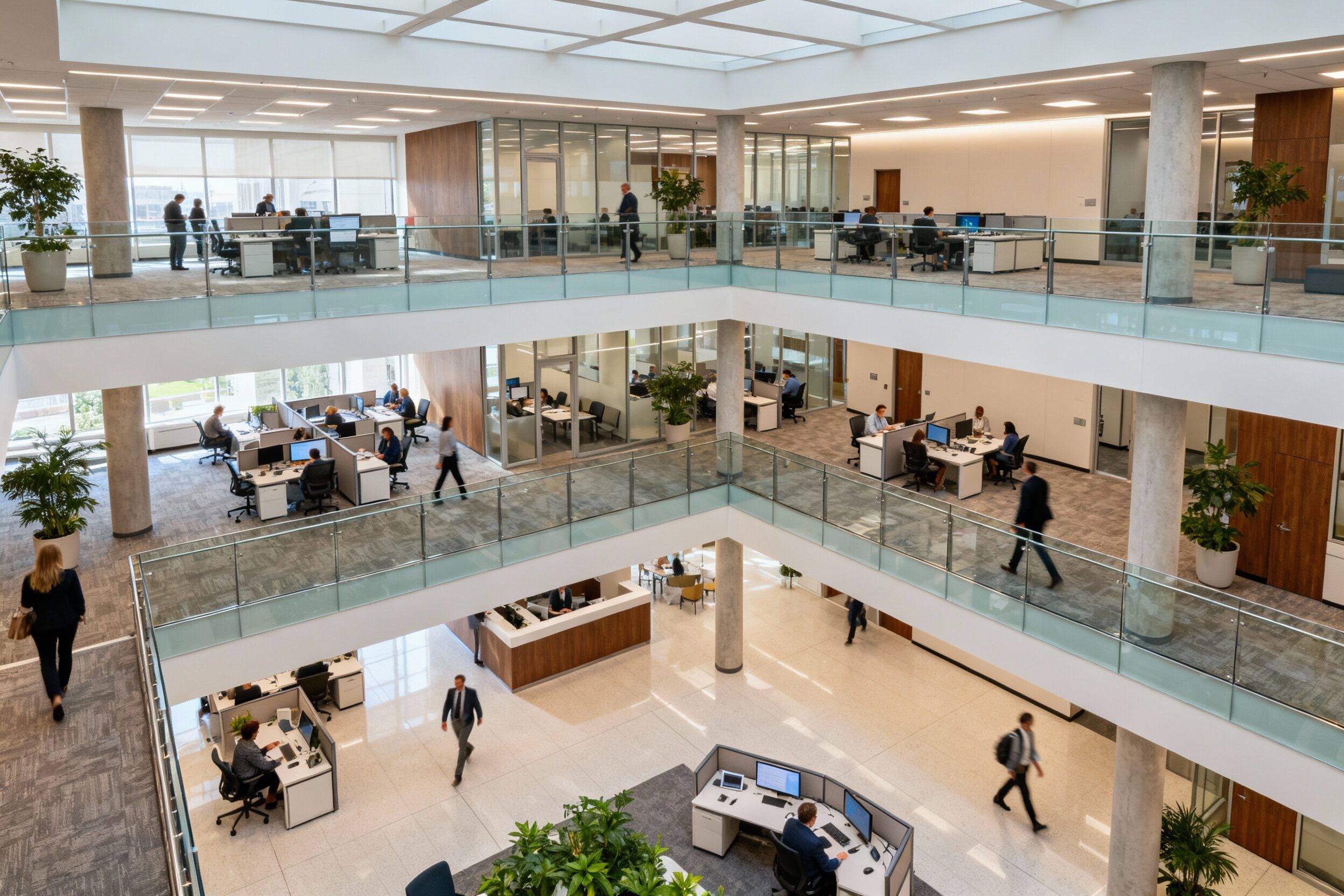
At Behar font, we use principles from FEA to design both physical and digital environments that match an agency’s organizational needs. By mapping workflows, service delivery, and identifying technology requirements, we ensure that our designs actively enhance productivity, collaboration, and citizen-centred services.
In this way, enterprise architecture becomes the foundation that guides our planning, ensuring the spaces we create truly support modernizing the systems and services of government work.