Most projects don’t unravel because of a single catastrophic error. They lose momentum through a series of small coordination gaps that quietly stack up.
A wall lands slightly out of alignment and suddenly finishes, millwork, and door clearances are affected. A duct cuts through a structural zone and now teams are rerouting systems, revising drawings, and reworking schedules. Any one issue might be survivable.
A few at once? That’s when schedules start slipping and people end up waiting around for answers.
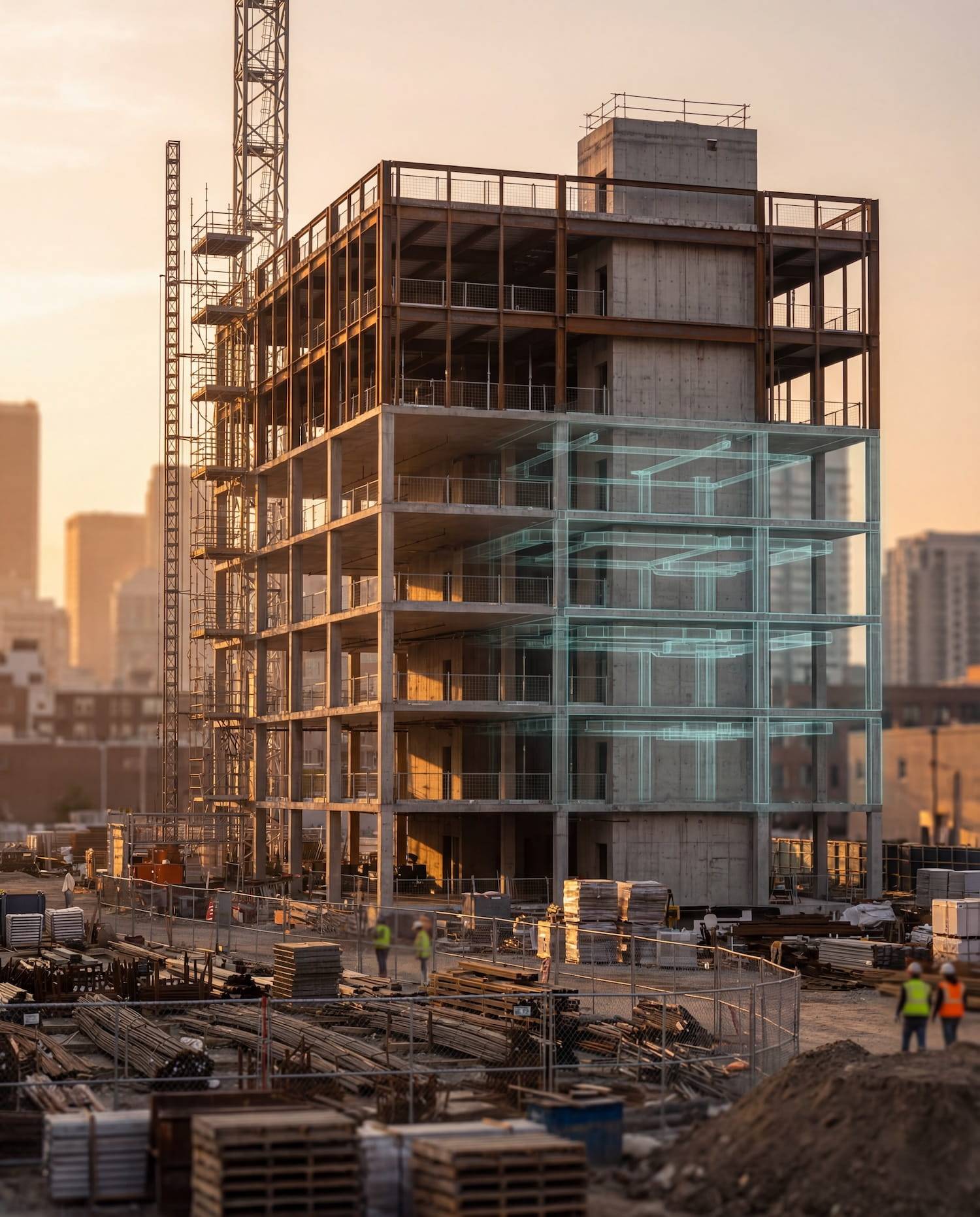
That chain reaction is exactly what Building Information Modeling (BIM) is designed to prevent. Rather than treating design, engineering, and construction as a series of disconnected handoffs, BIM brings the entire team into a single, shared digital environment. Architects, engineers, contractors, and owners are looking at the same coordinated information—built to reflect how the building will actually be constructed, not how it “should” look on paper.
So no, this isn’t just a pretty 3D model. It’s a working building information model that supports real-world delivery.
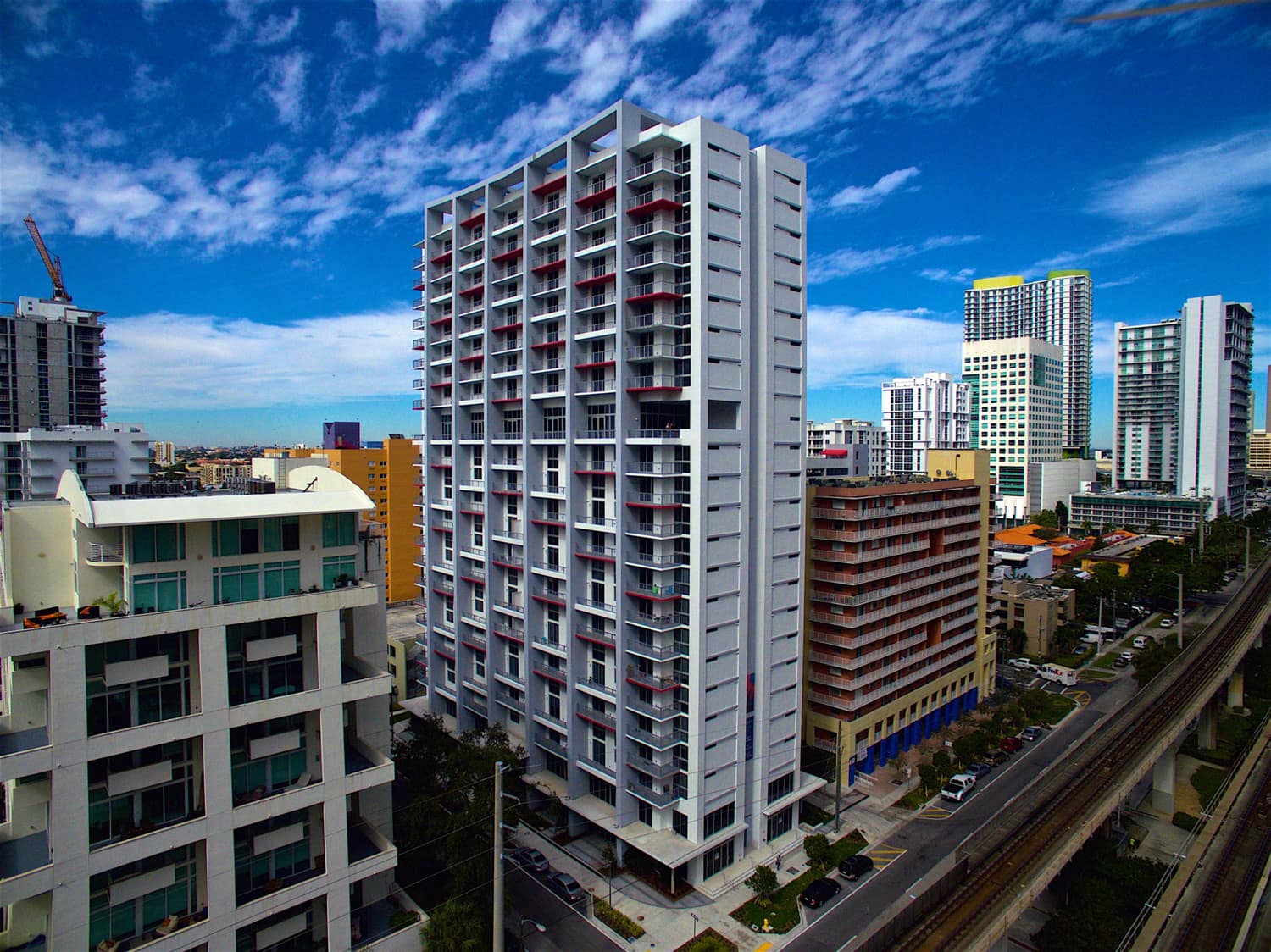
At Behar Font & Partners, a Miami-based architectural practice serving South Florida, we use BIM to sharpen design decisions and keep teams aligned—especially on multifamily residential, mixed-use, and master planning projects where predictability matters when construction loans, draw schedules, and lease-up timelines are on the line. Behar Font & Partners we have BIM-certified specialists actively manage these models to identify conflicts early.
The Coordination Problem in Traditional Architectural Workflows
In a traditional workflow, architecture, structure, and MEP often move forward on parallel tracks. The documents get issued, changes happen, and coordination becomes a constant catch-up effort. Then construction starts, and the problems get expensive.
This is where the workflow actually changes. BIM is a shared digital model that brings architecture, engineering, and construction information into one coordinated environment. Instead of juggling separate drawings and files, teams work within a unified model that mirrors every element in the construction progress.
Common issues in the traditional method include:
- Design drawings that aren’t fully synchronized or latest versions.
- Late design changes that only part of the team catches
- Conflicts between structural, mechanical, and architectural systems
- Unclear roles during the early design stage
- Time lost resolving conflicts after construction begins
These issues don’t just slow the design phase. They create pressure once the field is mobilized. At that point, the “solution” often becomes rework instead of prevention. Without a shared system, even a minor revision can ripple across multiple disciplines and create major delays.
What BIM Means for Architects

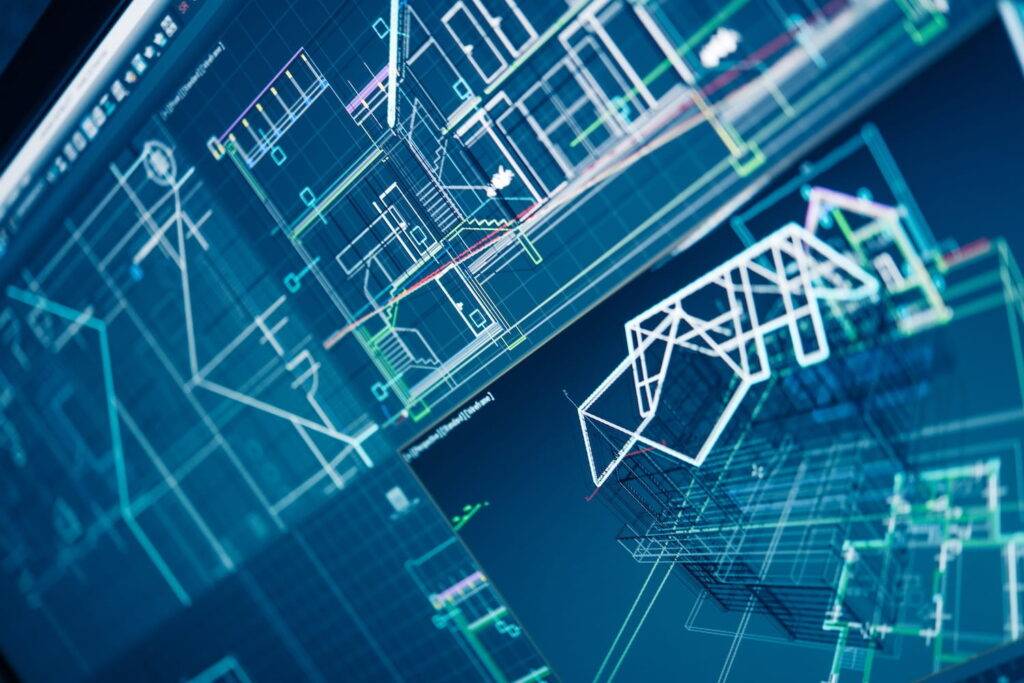
Building Information Modeling (BIM) is both a process and a technology. It’s not simply the creation of a 3D image. BIM is concerned with developing a shared building information model that includes geometry, materials, quantities, and design intent.
With a BIM workflow, architects create a BIM model that the rest of the team can use and build upon. That model becomes the center of the coordination effort. It also supports the full cycle of design and construction, not just early planning.
It’s also worth being direct about what BIM is not. BIM is not just “better CAD.” Traditional computer-aided design (CAD) is primarily drawing-based. BIM ties drawings to data so changes flow through the model and update views, schedules, and sheets more reliably. That reduces manual corrections, limits contradictions between documents, and helps teams avoid the classic “which version is correct?” problem.
How BIM Software Improves Coordination Between Teams
One of the clearest benefits of BIM is coordination. Teams don’t work in isolation and hope everything aligns later. They coordinate through a shared model.
BIM allows architects to:
- Coordinate architectural, structural, and MEP systems early
- Identify conflicts before they show up in the field
- Provide accurate design information to every stakeholder
- Track design changes clearly and consistently
- Reduce miscommunication across the project team
BIM enables real-time coordination. When the model is updated properly, the team is reacting to current information, not last week’s PDF set. That improves response time and makes decisions more reliable because they’re based on what’s actually in the model.
This is where BIM software matters. The software isn’t the point.
Making coordination practical at scale is. The goal is a model environment where architectural, structural, and MEP teams can work, review, and resolve conflicts before those conflicts turn into RFIs and change orders.
Reducing Rework Before Construction Starts
Rework is expensive, and it usually shows up at the worst time. Field fixes cost more than design fixes more labor, more schedule disruption, more trades impacted, and often more material waste.
Instead of solving problems in the field, teams solve them earlier when coordination is faster and changes are still cheap.
Using BIM, architects can spot issues before construction begins. That reduces redesign and limits disturbances once the project is underway. Clash detection helps teams find overlaps between systems early before materials are ordered and before installation. Design reviews become clearer because the model shows how spaces are meant to function. Contractors receive more complete information, which reduces RFIs and delays.
When issues are resolved digitally in the BIM model, budgets and schedules are protected on the job site.
Keeping Projects on Schedule With a BIM Workflow
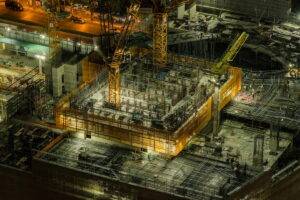
Coordination is the headline, but BIM also supports better project management. The schedule is more reliable when the design information is clear, consistent, and shared.
BIM supports teams by:
- Supporting 4D BIM for construction scheduling and sequencing
- Linking cost information using 5D BIM
- Improving early planning and constructability discussions
- Reducing time lost to unclear or conflicting drawings
- Helping the transition from design to field execution
On a construction project, momentum matters. When every discipline is working from the same model and the same current information, decisions happen faster and with fewer surprises. That keeps the job moving and reduces the pressure that builds when teams are forced into constant last-minute problem solving.
BIM as a Design Support Tool, Not a Limitation
A common concern is that BIM limits creativity. In practice, we see the opposite. In practice, BIM often gives architects more confidence because the impacts of change are easier to see and manage.
The key is understanding that BIM supports architectural design; it doesn’t replace it. Architects still make the decisions. BIM just makes coordination more visible and reduces the chance that a design decision breaks something downstream.
In a BIM workflow:
- Parametric modeling allows faster updates across all participants.
- Changes can propagate across drawings automatically
- Spatial relationships are easier for teams to understand
- Clients can visualize the project more clearly
On complex multifamily and mixed-use projects, this distinction frequently determines whether a project moves smoothly forward or demands constant adjustments. With tight floor-to-floor heights, layered amenities, parking transitions, and heavy MEP coordination, BIM plays a critical role in maintaining design intent while supporting real-world constructability.
What Practical Outcomes Clients Care About
Most clients don’t demand “BIM” as a buzzword. They care about the outcomes BIM delivers.
Better coordination reduces delays. Fewer errors mean fewer cost surprises. Clear models improve communication and reduce uncertainty between design teams, consultants, and contractors.
For lenders and financial partners, that predictability matters. A well-coordinated project tends to carry a lower risk profile: fewer change orders, fewer schedule shocks, and fewer “surprise” conditions that can affect cost and timing. BIM won’t save a bad project but it does eliminate a lot of avoidable risk caused by poor coordination.
What Successful BIM Implementation Requires
BIM is most effective when it is used from the very beginning of a project and continuously updated by all parties as changes occur. This shared, real-time approach is the most efficient way to keep information current, coordinated, and cohesive across the entire team. BIM implementation goes beyond selecting a platform—it requires alignment, accountability, and disciplined collaboration.
Successful BIM adoption typically includes:
- Clearly defined BIM standards and procedures
- Defined roles and responsibilities, including BIM management oversight
- Agreed levels of detail for the model at each project phase
- Ongoing cross-discipline coordination workflows (not just scheduled coordination meetings
- Training and support to ensure the model is used accurately and consistently
When BIM adoption is adopted intentionally and maintained collaboratively, it becomes a living system that supports decision-making and constructability.
BIM Across the Full Building Lifecycle
BIM doesn’t have to stop at permit or at construction. A strong model can support the full lifecycle of a building.
With 6D BIM, building data can be used for operations and maintenance supporting asset management, renovations, and future improvements. That’s especially relevant on larger multifamily and mixed-use properties where owners and operators benefit from having reliable building information after turnover.
Information that stays usable after construction has real value. In complex work, the building model can remain a practical reference long after the last inspection is signed off.
Why BIM Matters for the Future of Architecture
The construction industry continues to move toward more integrated, data-driven workflows. BIM standards are increasingly common, cloud-based coordination is now normal on many projects, and teams are more often expected to work from shared models instead of disconnected files.
For many project types, BIM is becoming the baseline expectation. Contractors use it, owners increasingly expect it, and the coordination benefits are hard to ignore.
In practice, BIM supports better collaboration, fewer avoidable conflicts, and tighter alignment between design and construction especially once the project hits the field.
For architects, BIM supports better decision-making and improved project performance especially when teams commit to it early and use it consistently.
How a Coordinated Plan Protects Time and Budget
Good coordination is one of the most effective ways to protect a project schedule and budget. BIM helps architects bring the full team together early so issues are identified and solved before they become expensive field problems.
When everyone works from the same BIM model, information is more transparent. Changes are managed more consistently. And fewer discrepancies make it to the site.
Better coordination leads to less rework, fewer delays, and more predictable schedules. It also improves communication between architects, consultants, contractors, and ownership teams reducing misunderstandings during both design and construction.
At Behar Font & Partners, we apply BIM to make decision-making clearer, strengthen teamwork, and support reliable project delivery across South Florida. If you’re planning a multifamily or mixed-use project and want fewer surprises once construction starts, we’re happy to talk through how a coordinated BIM approach can support that from day one.