
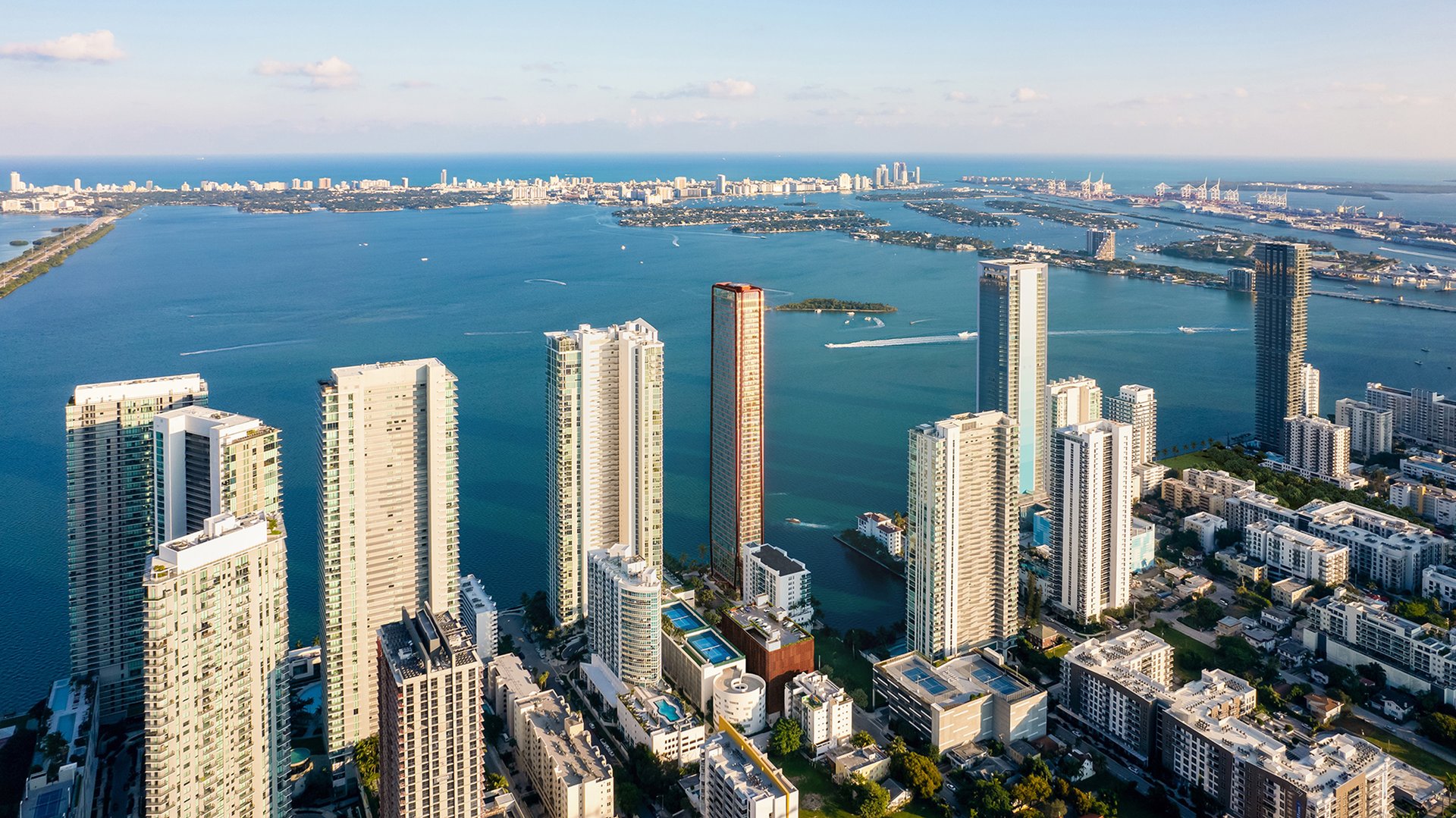
Real estate development in Florida isn’t slowing down. As more people move into the state, demand for housing keeps rising—especially in South Florida, which remains one of the fastest-growing real estate markets in the country. At the same time, zoning rules, environmental regulations, and building codes keep getting more complicated. That combination means developers can’t afford to guess anymore. Careful planning matters more than ever.
Lenders, investors, and municipalities are far less willing to support projects that lack thoughtful planning. Feasibility and zoning studies help identify opportunities, constraints, and risks early in the process. Market analysis adds another layer of clarity, helping developers make informed decisions instead of costly assumptions.
At Behar Font, we help clients evaluate property and development ideas with clarity and precision so they can move forward confidently and avoid unnecessary risk.
Why Feasibility Studies Matter
A feasibility study is one of the first and most important steps in the real estate development process. At its core, it answers a simple but critical question: Does this project actually make sense on this property?
A basic feasibility study typically reviews:
- Zoning regulations and permitted land use
- Property size, shape, and boundaries
- Environmental conditions, including wetlands
- Access to roads and utilities
- Financial viability of the proposed project
These reviews help developers avoid buying or planning projects on land that cannot realistically support their goals. Feasibility studies are not about final design decisions. They are about gaining early clarity and managing risk before time and money are committed.
 What a Zoning Study Covers
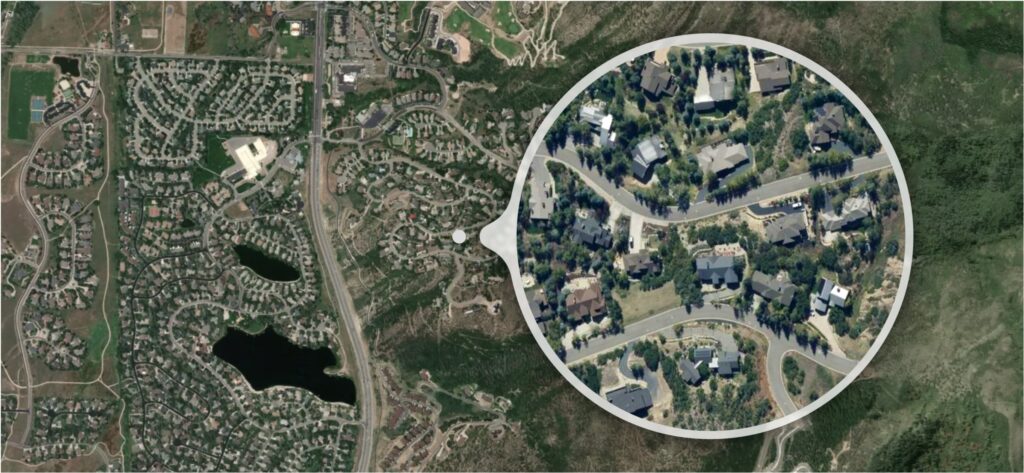
A zoning study examines the local rules that govern how land can be used and how buildings can be constructed. Zoning codes vary by city and county across South Florida, and they directly control what type of development is allowed on a property.
Zoning regulations dictate building height, permitted use, density, and parking requirements. They also establish setbacks—how close a building can be to property lines and nearby streets. A zoning analysis defines the boundaries architects and planners must work within during design.
Without a proper zoning study, developers may run into approval issues later in the process. This review helps align expectations early and improves the likelihood of obtaining permits without delays.
When to Conduct Feasibility and Zoning Studies
Timing matters. Feasibility and zoning studies should be completed before design work begins.
These studies are best conducted:
- Before purchasing a property
- During the due diligence period
- Before approaching lenders or investors
- Before starting architectural design
Completing these studies early helps developers identify red flags and avoid spending money on plans that may never be approved. Early evaluation leads to smarter decisions and stronger projects.
1. Reviewing Land Use and Zoning Type
Land-use regulations determine what can legally be built on a property. Some sites allow residential development, others are commercial or mixed-use. Certain areas permit single-family homes, while others allow multi-family buildings or retail development.
Understanding the zoning classification is one of the most important steps in a feasibility analysis. If the zoning does not support the intended project, changes may be required. Zoning amendments can add time, cost, and uncertainty.
A zoning study helps developers determine whether a project fits within existing regulations or whether modifications need to be pursued.
2. Density, Height, and Size Limits
Zoning regulations go beyond land use. They also control the scale of development.
Common limits include:
- Maximum number of dwelling units
- Maximum building height
- Total allowable building area
- Required open space
A property may appear large enough for a project at first glance, but density restrictions can significantly reduce what is actually permitted. Confirming these limits early helps developers avoid designing projects that cannot be built.
3. Property Lines and Physical Constraints
Not every part of a property is buildable. Setback requirements create minimum distances between buildings and property lines. Easements may restrict construction in certain areas, and neighboring structures can influence design decisions.
A feasibility study reviews these physical constraints to understand how they affect building placement, size, and layout.
Knowing these limitations upfront leads to more efficient and realistic architectural planning.
4. Environmental and Wetland Factors
Environmental regulations are a major factor in South Florida development. Many properties are affected by wetlands, flood zones, or coastal regulations.
A feasibility analysis typically evaluates:
- Wetland presence
- Floodplain designation
- Drainage conditions
- Environmentally protected areas
These factors can reduce buildable area or require additional permits. Identifying environmental constraints early allows developers to plan accordingly and avoid delays later in the process.
5. Infrastructure and Utility Availability
Every project depends on basic infrastructure. This includes road access, water, sewer, power, and emergency access. Without adequate infrastructure, development may be delayed or become impractical.
A feasibility study confirms whether existing infrastructure can support the proposed project. This is a critical consideration for permitting, financing, and investor confidence.
6. Building and Permit Requirements
Florida’s building requirements continue to evolve, particularly in response to storm resilience and safety concerns.
A feasibility analysis helps account for:
- Local building codes
- Storm and flood requirements
- Access and parking standards
- Permit timelines and inspection processes
Understanding these requirements early allows developers to create realistic schedules and budgets while reducing the risk of redesigns and construction delays.
7. Market Fit and Financial Viability
Even if a project meets zoning and construction requirements, it still has to make financial sense. Feasibility studies help determine whether a project is viable and sustainable in the current market.
This includes evaluating pricing, construction costs, and target demographics. Lenders and investors rely on this analysis before committing capital. Early financial evaluation helps developers identify risks and avoid projects that are unlikely to perform.
Why Local Expertise Matters in South Florida
Development in South Florida is shaped by local conditions, regulations, and review processes. Local expertise helps developers:
- Navigate city and county zoning codes
- Understand environmental regulations
- Manage local approval procedures
- Avoid common planning mistakes
Working with professionals who know the region adds accuracy and confidence to the development process.
Architecture plays a role even before design begins. Architectural input helps confirm feasibility by aligning development concepts with zoning rules and site constraints.
At Behar Font, we use architectural expertise to help clients understand what is possible before they invest in design or construction.
 How Clear Feasibility and Zoning Planning Protects Development Investments
Real estate development in South Florida requires careful planning and a clear understanding of regulations. Zoning and feasibility studies help developers understand what is possible before committing time or capital.
These studies identify risks, limitations, and opportunities that may not be immediately obvious. This reduces surprises and helps keep projects on track.
By incorporating feasibility and zoning analysis at the earliest stages, developers can make informed decisions and protect their investments. Skipping this step often leads to delays, redesigns, or costly corrections.
At Behar Font, we work with clients from the very beginning to give their projects the strongest possible foundation. Contact us to learn what can realistically be developed on your property.