

Enterprise architecture is a technological necessity and a strategic framework that shapes how organizations innovate, operate, and grow. As market competition intensifies, companies that overlook enterprise architecture risk inefficiency, conflicting systems, and misaligned business strategies. A well-structured enterprise architecture ensures alignment between IT and business objectives, optimizing resources for maximum efficiency and effectiveness.
At Behar Font, every project is guided by a commitment to integrating functionality and aesthetics. With over 35 years of architecture, planning, and interior design expertise, we create work environments that enhance productivity, collaboration, and design excellence.
 @skyalign from Florida YIMBY
The Role of Enterprise Architecture in Workplace Design
A productive workplace is not a collection of desks and meeting rooms but a thoughtfully designed space fostering productivity, collaboration, and well-being. Enterprise architecture establishes this foundation by ensuring that business strategy, technology, and optimal utilization of space function in concordance. A well-designed enterprise architecture has a number of effects on workplace design:
1. Optimizing Space Utilization
Enterprise architecture provides a data-driven perspective on how employees interact with their workspace. By analyzing workflow patterns, companies can optimize office layouts, reduce inefficiencies, and improve overall spatial flow.
For example, an office design company can use data to determine the ideal collaborative and quiet space placement. Hence, employees have access to the appropriate space for their requirements.
2. Enhancing Workplace Attractiveness With Design Principles
Functional workspaces must also be aesthetically pleasing. Enterprise architecture facilitates the integration of design concepts that enhance user experience without compromising performance. These range from lighting choices and ergonomic furniture to carefully curated color schemes and material selections, all essential for creating a balanced and inspiring workspace.
3. Strengthening Digital and Physical Integration
Modern workplaces rely on a seamless integration of physical and digital environments. Enterprise architecture helps businesses create a unified workspace where technology and physical infrastructure complement each other. For example, smart office technologies, self-regulating lights, and built-in conferencing systems contribute to a structured workspace that enhances productivity.
Key Components of an Effective Enterprise Architecture Framework
A good enterprise architecture framework comprises several components that form an efficient working environment. Business architecture decides how an organization’s goals are reflected in operations. In workplace design, this is using space to express a company’s mission and culture. A creative company may plan open, collaborative working spaces, while a company that requires secrecy may opt for enclosed offices with acoustic insulation.
Well-designed information architecture guarantees employees access to resources and information when needed. This enterprise architecture component involves structuring digital assets, cloud storage areas, and document-sharing sites in a way that allows for workflow productivity.
Technology architecture refers to the IT infrastructure that supports work processes. From cybersecurity to network connectivity, a solid technology framework ensures employees can work without interference inside and outside the workplace.
Application architecture consists of applications and platforms employees use day to day. Enterprise architects try to connect those applications to a seamless ecosystem with minimum redundancy. Hence, the project management tools, communications applications, and design tools all have ways of working with each other.
The Process of Implementing Enterprise Architecture in Workplace Design
Step 1: Identifying Stakeholders and Business Objectives
Identifying stakeholders and establishing business objectives is the first step in applying enterprise architecture to workspace design. Facility managers, IT staff, architects, and employees must work together to ensure that workspace design aligns with operational needs.
Step 2: Establishing the Current State
Assessing the current workspace is a significant step in identifying inefficiencies and areas of improvement. It includes measuring space utilization, employee process flows, and technological infrastructure.
Step 3: Target State Design
Based on the findings of the assessment phase, enterprise architects develop a strategic blueprint for the ideal workspace. This could include layout recommendations, technology, and design recommendations.
Step 4: Executing the Architecture Plan
Implementation is the physical and technological change that is done to the workspace. This could include office space redesign, computer system upgrades, or the implementation of new digital collaboration tools.
Behar Font services encompass cost estimating, architectural design, preparation of construction documents, securing local approvals and permits, and contract and construction administration. Our meticulous planning guarantees that projects are executed smoothly, on time, and within budget.
Step 5: Ongoing Monitoring and Optimization
Enterprise architecture is not a static solution. It needs to be continually evaluated and refined. Periodic feedback from staff and examination of workspace data assist organizations in making adjustments to ensure an effective and aesthetically pleasing environment.
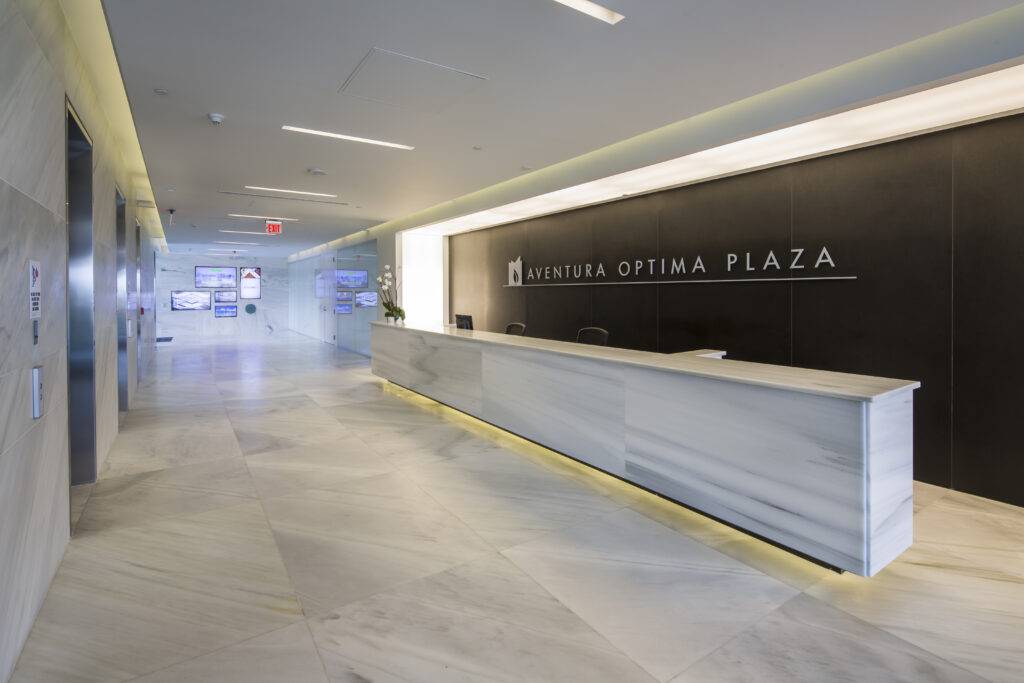 @skyalign from Florida YIMBY
Enterprise Architecture Models for Workplace Optimization
There are several enterprise architecture frameworks that one can apply to guide organizations in workplace design. The Zachman Framework positions enterprise architecture components in rows of perspectives, such as planners, owners, designers, builders, and users. In workplace design usage, the framework ensures that all, from executives to staff members, have their say in creating a workplace that suits organizational needs.
The Open Group Architecture Framework (TOGAF) is an enterprise architecture methodology whose focus is on continuous improvement. Organizations can use its practices to design workplaces that scale up as business grows and technology evolves.
At Behar Font, we offer a comprehensive approach to architectural design, ensuring that each workspace is innovative and efficient .Our process starts with in-depth feasibility and zoning analyses, laying the groundwork for a seamless development journey. We then integrate sustainable design principles, optimize environmental performance, and implement strategic growth management to create adaptable, high-performing spaces. Every element is carefully planned to align with operational needs while meeting regulatory requirements, ensuring a seamless and future-proof workspace.
Best Practices for Integrating Enterprise Architecture into Workplace Design
To maximize the value of enterprise architecture in creating beautiful and effective workplaces, organizations should embrace these best practices:
- Align Business Strategy with Workspace Design: Workplace design must reflect an organization’s brand and operational aspirations. Whether promoting teamwork or enabling work from home, enterprise architecture should guide design to enable strategic ambitions.
- Prioritize Employee Experience: An optimally designed workplace must offer comfort and efficiency to employees. Integrating natural light, ergonomic furniture, and biophilic design (the introduction of nature in the workplace) could lead to well-being and enhanced job satisfaction.
- Maximize Smart Technologies: The installation of smart office technologies (computerized climate control, motion sensor lighting, and digital space reservation) is made easier and cheaper with their utilization.
- Promote Flexibility and Flexibility: Business needs change over time, and workplaces must be designed to accommodate these shifts. Modular furniture, adjustable partitions, and multipurpose spaces allow organizations to reconfigure layouts as needed quickly.
- Measure and Optimize Performance: Data-driven decision-making is critical for maintaining an effective workplace. Organizations should track metrics such as space utilization, worker satisfaction, and use of technology to continuously optimize their workplace design.
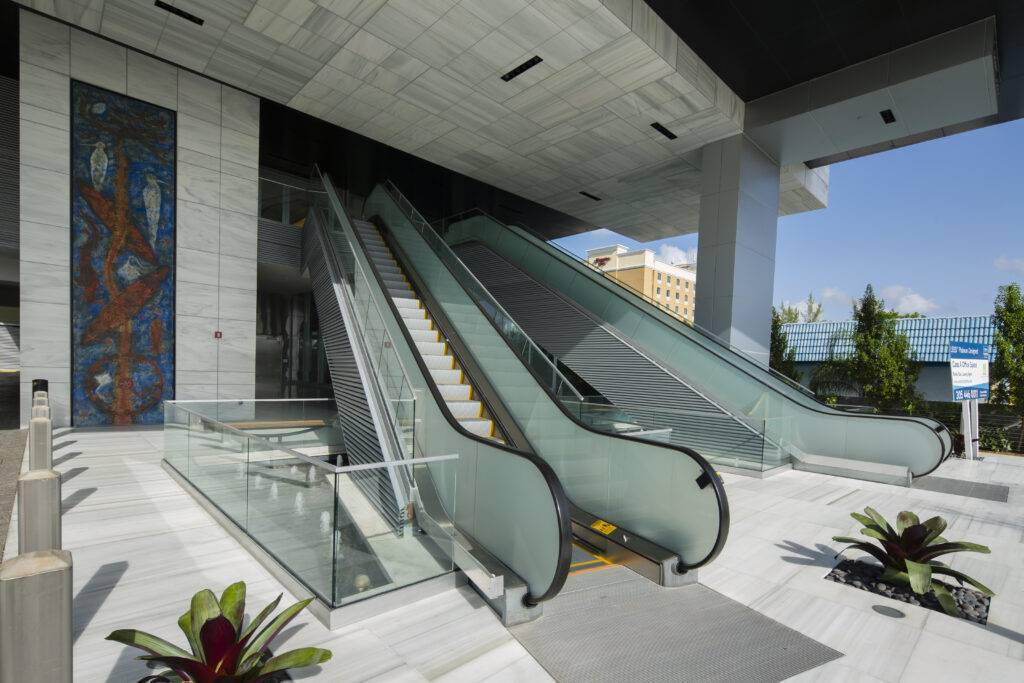 The Importance of Enterprise Architecture in Workplace Design
With more companies embracing hybrid work patterns and digitalization, enterprise architecture will play an ever-increasing role in shaping the workplaces of the future. Some emerging trends are:
- AI-Driven Workplace Optimization
Artificial intelligence (AI) can analyze usage trends in workspaces and make real-time suggestions for adjustments, such as reassigning meeting spaces or workstation allocations.
- Sustainable and Green Architecture
With the focus on sustainability increasing, businesses are creating energy-efficient designs and employing sustainable materials for their workplaces. Enterprise architecture helps to integrate these initiatives in alignment with business goals.
- Immersive Workspaces with AR/VR
Augmented reality (AR) and virtual reality (VR) technologies are transforming workspace design by enabling immersive design experiences. Employees can experience office environments virtually before implementation, allowing them to make optimal design choices.
- Advanced Cybersecurity for Digital Workspaces
As remote work increases in popularity, securing digital workplaces is a number one priority. Enterprise architecture ensures that cybersecurity attributes are integrated into workplace infrastructure without any hitches.
We are dedicated to crafting work environments that are efficient, visually inspiring, and built for long-term success. Our integrated approach to architecture, planning, and interior design ensures that every project reflects innovation, sustainability, and functional elegance.