
Building wealth isn’t just about making more money, it’s about having assets that will protect your money and provide steady reliable income. Many high-income professionals and business owners who rely on stocks, retirement accounts, and operating businesses still have significant gaps in diversification and asset protection.
Multi-family real estate investments offer a different type of solution. They offer income, tax benefits, leverage and control among other things that are harder to replicate with other asset classes. These investments generally provide stability, tax efficiency and long-term preservation of wealth. The key is understanding who benefits most, how the process works, and where the real risks lie.
The economics of multifamily real estate differ significantly from single-family properties. In single-family housing, the financial performance of an asset depends on one unit’s ability to perform on its own. In contrast, multifamily developments spread financial performance across many units, softening the impact of any one vacancy or rent adjustment and making the overall income and value more resilient. For designers and developers, that means greater flexibility in terms of optimizing the layout, amenities and unit mix that will enable better cash flow and long-term market appeal.
Let’s break down what that really means.
 What Counts as Multi-Family Real Estate?
One of the biggest advantages is built-in income diversification within a single asset. With a single-family home, one vacancy can wipe out your entire rental income. With a 12-unit investment, if there’s a vacancy, it’s a percentage of the total return. The other units continue to return cash flow.
Multi-family real estate refers to residential properties designed to house multiple separate households within one building or complex. These include:
- Duplexes and triplexes
- Apartment buildings
- Condominium complexes
- Mixed-use residential developments
- Large residential communities
Unlike single-family rentals, multi-family properties generate income from multiple tenants simultaneously, which fundamentally changes the investment equation.
Beyond income diversification, another benefit is the possibility of adding value through management. The value in a multi-family investment is highly related to the net operating income. When rents are taken up, or when expenses are lessened, or when the management is improved, the income increases. As income increases, the value of the property increases with it. This is referred to as forced appreciation because the owner has direct control over the appreciation in value.
In addition to operational control, leverage is an important factor. With real estate, an investor can command a large asset with a percentage of the total purchase price. Leverage must be used carefully, especially when interest rates are rising. However, it remains a powerful tool that can enhance returns and contribute meaningfully to long term investment success.
Why Investing in Multifamily Properties Outperforms Other Real Estate
Multifamily investments offer structural advantages that single-family homes and many other commercial assets simply can’t match. The difference isn’t just scale; it’s how income is generated, expenses are managed, and value is created over time.
1. Diversified Rental Income Means Reduced Risk
With a single-family home, one vacancy translates into zero income. With multifamily housing, a single empty unit means that you’re still collecting rent from dozens, even hundreds, of other tenants. This built in diversification stabilizes cash flow and helps protect against slower rental markets or economic changes.
2. The Key Drivers Of Profitability Are Economies Of Scale
Fixing a roof on a 50-unit apartment complex is cheaper than doing the same repair on 50 individual, separate homes. The same thing applies to landscaping, insurance, maintenance contracts, and hiring a property manager. As building size increases, operating expenses decrease on a per unit basis, and that efficiency directly increases long-term profitability.
3. Value-Add Opportunities Generate Forced Appreciation
Unlike stocks, in which investors are largely at the mercy of market movement, when you invest in a multifamily property, you’re in control of increasing value. Renovations, amenity improvements, and operational improvements can all enhance performance.
Execute the right investment strategy, and you can greatly increase net operating income, which directly increases the market value of the property.
4. Financing A Multifamily Investment Works In Your Favor
Lenders consider the financial performance of the property when evaluating commercial real estate loans, and not just your personal credit profile. If the building’s numbers work, financing becomes more accessible, even when personal debt-to-income ratios might limit traditional residential borrowing. This asset-based approach makes scaling a portfolio more achievable over time.
5. The Market Continues to Support the Multifamily Model
Recent data from the multifamily market confirms these structural advantages. In early 2024, absorption rates ranked among the strongest in two decades, even as many other asset classes slowed. This highlights the strong demand for quality rental housing.
Strategic layout, efficient systems, and tenant-focused amenities all play a role in operating costs and revenue potential, which is why firms like Behar Font Partners approach multifamily design not only as an architectural strategy but also as a financial one.
Where Design Impacts Your Multifamily Investment
Here’s where most investors leave money on the table. They focus on location and purchase price but ignore the effect of design on both rental income and operating expenses.
1. Unit Mix Optimization Increases Income Potential
A structure that has only one-bedroom units serves a small rental market. Mix in studios, two-bedrooms, and three-bedrooms with multiple units, and you can get a range of tenant populations: young professionals, small families, roommate groups. More tenant options equal quicker lease-ups and increased occupancy.
2. Amenity Placement Is The Driver Of Perceived Value
Put your fitness center in the basement where property owners never see it, and tenants won’t be paying premium rents for it. Design it as a ground-floor showpiece visible from the street, and it becomes a marketing asset that can justify higher rents.
3. Efficient Layouts Decrease The Cost Of Construction
Stack your plumbing vertically. Reduce the square footage of hallways. Design unit layouts that maximize usable space and minimize wasted circulation. These decisions cut dollars per square foot off of construction costs, dollars that translate directly into your bottom line.
4. Facade Design Has An Impact On Lease Velocity
In competitive markets, unique buildings sell more quickly and at higher rents. That doesn’t mean expensive materials. It means a thoughtfully designed property with curb appeal that distinguishes your investment property from competitors.
5. Common Area Quality Determines Rent Ceilings
Tenants will pay more for units in buildings with impressive lobbies, modern corridors, and well-designed outdoor spaces. These aren’t optional luxuries. They’re revenue drivers that mean the difference between commanding market-rate rental and settling for less than market price.
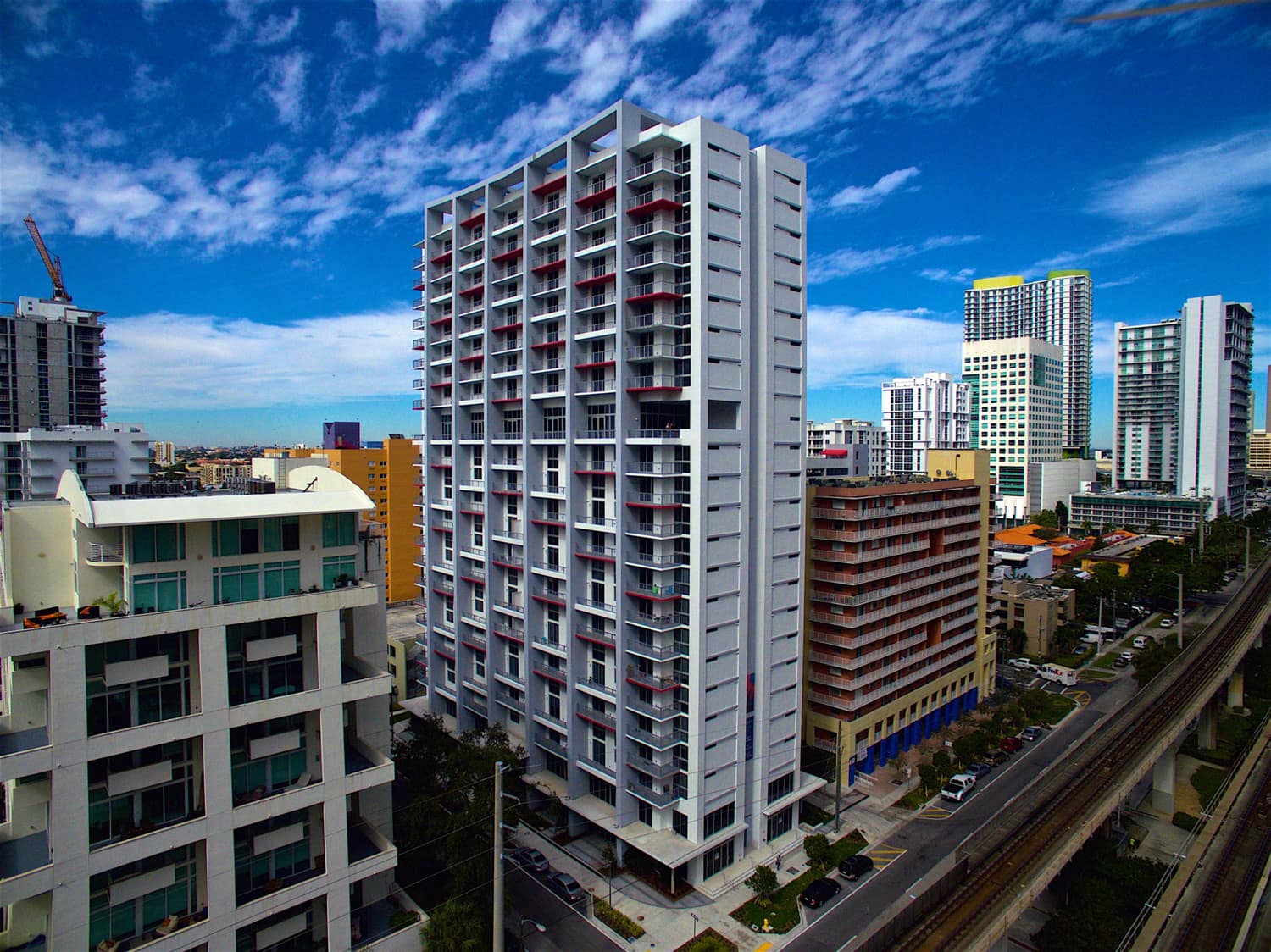
At Behar Font, we’ve designed multifamily properties throughout South Florida. We understand that each and every design decision either adds value or leaves money on the table. Our previous projects demonstrate how smart architectural decisions create properties that make money.
Miami’s Multifamily Real Estate Market Opportunity
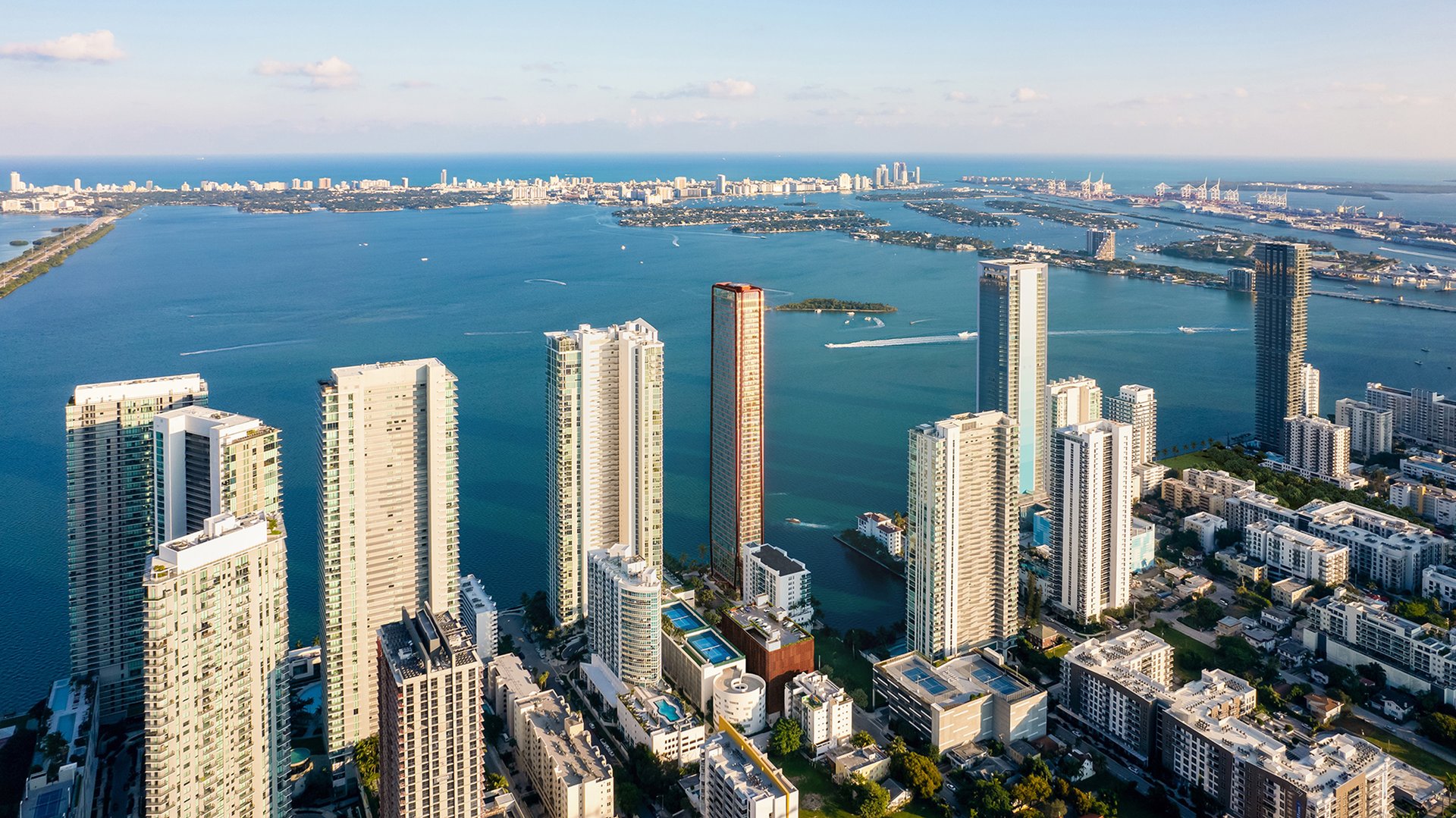
Miami-Dade County continues to attract residents from the Northeast, California, and Latin America. There is a need for more places for people to live. That fundamental demand supports multifamily rental performance even during economic uncertainty.
Limited supply in desirable locations results in pricing power. Land constraints in places such as Brickell, Coral Gables, and Miami Beach limit new development. When supply is scarce and demand is rising, rental income rises. It’s basic economics.
Workforce housing adds another layer of stability. Luxury multifamily assets get hit first in a softening market. Workforce housing, that is, multifamily properties targeting middle-income renters, is more resilient. People are always in need of affordable places to live, regardless of economic conditions.
There are value-added opportunities in old inventory. Miami has a multitude of multifamily properties from the 1970s and 1980s that have not been updated in decades. Purchase a multifamily property on the right basis, make smart renovations, and you can reposition the property so that you can capture current market rents.
Risks and Legal Considerations
There are legitimate legal and financial risks involved in multi-family investing.
Potential areas of risk are tenant disputes, injury, fair housing, and contract issues, which, if not managed correctly, could lead to costly litigation and insurance issues.
In addition, improper structuring of entities and commingling of assets and liabilities could undermine any liability protection that an investor might have in place. Investors in high-liability businesses should be especially concerned with how multifamily investments fit into their overall asset protection strategy.
While risk cannot be totally avoided, it certainly can be managed, and that’s where the key to success lies: with proper planning and compliance.
Multifamily investing isn’t the problem, poor planning is. Many investors fail to define their objectives, structure financing properly, or account for legal compliance before they commit capital.
When approached with diligence and proper planning, multifamily real estate can be one of the most stable and productive components of a diversified investment portfolio.
What to Know Before You Invest in Multifamily
If you’re looking to strengthen your portfolio, multifamily real estate can be one of the most powerful strategies available. Before moving forward, it’s important to understand how it works and who stands to benefit most.
Real estate investing isn’t just about owning property, it’s about generating rental income while protecting yourself from legal and financial risk. Investing in multifamily properties has many advantages over investing in single-family properties.
For many professionals and business owners, investing in multifamily properties is not just about buying real estate, but about approaching an investment with discipline and structure. When it’s planned carefully and managed responsibly, it can produce strong and reliable returns over time. However, without the right strategy and oversight, it can just as quickly reduce capital and disrupt long term financial goals.
Knowing the difference is important.
What to Evaluate Before You Invest in Multifamily
Before investing in a multifamily property, there are several important factors to consider carefully.
First, evaluate your liquidity. How much capital do you realistically have available? Multifamily properties require financial reserves for unexpected repairs, vacancies, and shifts in the market. It’s essential to have sufficient capital set aside before moving forward with an investment.
Next, assess the market itself. Strong returns are more likely in areas experiencing growth, steady demand, and positive economic trends. Investing in the right market can significantly influence long term performance.
Another key consideration is your intended holding period. Multifamily investments generally perform best over longer time horizons, allowing income growth and property appreciation to compound over time.
Finally, determine the level of involvement you want to have. Even when working with a property manager, ownership still requires oversight and decision making. Understanding your role and responsibilities from the outset is critical.
At Behar Font, we have spent decades designing multifamily properties that are both architecturally thoughtful and financially sound. We understand the market dynamics, regulatory environment, and tenant expectations in Miami. Just as importantly, we recognize how design decisions directly influence operating performance and long term value.
 How Behar Font Can Help Investors Get Started
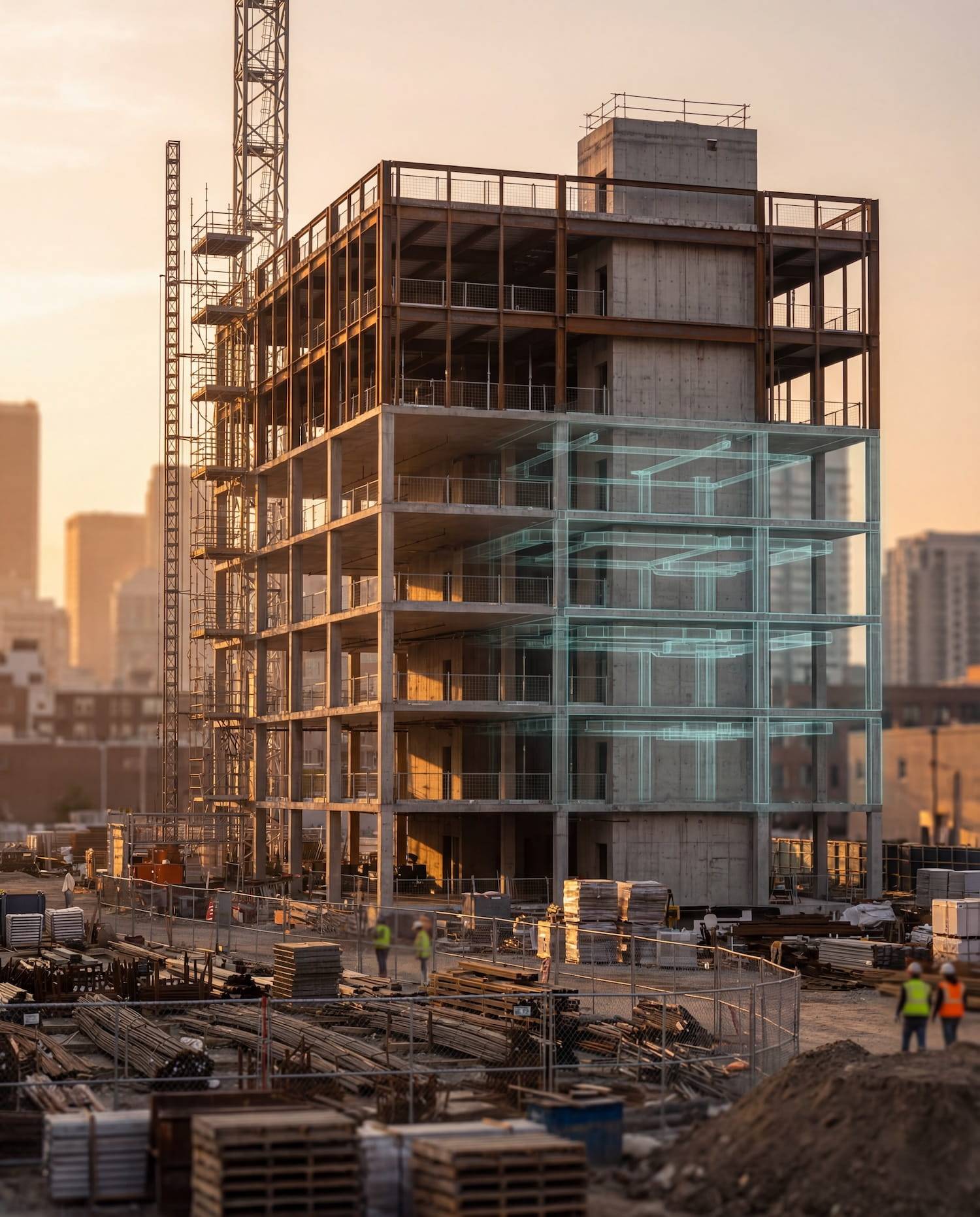
One of the first real hurdles that investors face when they decide to venture into the multifamily real estate business is architectural planning and feasibility studies. Behar Font & Partners has the expertise to provide such services to investors long before they start any project.
Feasibility studies are essential to any project because they provide the investors with information regarding the type of multifamily property that can be developed on a particular piece of land and whether such a project will be financially viable.
Understanding local regulations and how to maximize the potential of a particular piece of property may be what makes some real estate investments successful while others fail. Behar Font & Partners has the experience to provide investors with information regarding how to maximize the potential of a particular piece of property.
For investors looking to purchase an apartment complex or other multifamily properties, Behar Font & Partners has the expertise to provide investors with cost estimating services, the creation of construction documents, and permitting services to ensure that the early stages of development are streamlined so that investors can better project the potential returns based on rental income.
Behar Font & Partners brings experience across the full residential spectrum, from single-family homes to large multifamily developments.