That moment, the turn to open your lock after putting your key in for the first time, is more than unlocking a door; it is the start of stability, security, and a bright new life for so many people. But with rising rents, aging buildings, and poor living standards, it’s becoming increasingly out of reach for many Florida families.
At Behar Font, we understand that well-designed architecture can transform lives and communities. For more than thirty years, we have worked to redefine affordable living—creating neighborhoods that are not only secure and functional, but also restorative. Our designs aim to open doors to opportunity, fostering a genuine sense of belonging for everyone who calls them home.
Florida faces a critical shortage of affordable housing, especially for extremely low-income renters. In 2025, there were only 26 affordable and available rental units for every 100 renters in need—a stark indicator of the growing gap between demand and supply.
In response, we approach housing with a deep focus on sustainability and community building. We believe sustainable design transforms housing projects into lasting, life-enhancing environments that strengthen both people and place. Sustainable, people-centered design is only part of the solution. To understand why these efforts matter so deeply, it helps to look at what “affordable housing” really means—and why the need in Florida has never been greater.
Why Affordable Housing Matters Now
The term “affordable housing” is often misunderstood. Affordable housing is generally defined as housing where a family spends no more than 30 percent of its gross income on rent and utilities.
Eligibility is tied to AMI:
- Less than 30 percent AMI: Extremely low-income households
- Less than 60 percent AMI: Low-income households
- Up to 80 percent AMI: Moderate-income households
Section 8 vouchers, public housing, and other subsidy programs work in tandem with local housing authorities and the U.S. Department of Housing and Urban Development (HUD) to make affordability a tangible reality for families across the country.
These formulas matter because they determine who qualifies, how much future rent will be, and how housing programs are funded. For architects like Behar Font, they shape unit sizes, building costs, and even site planning.
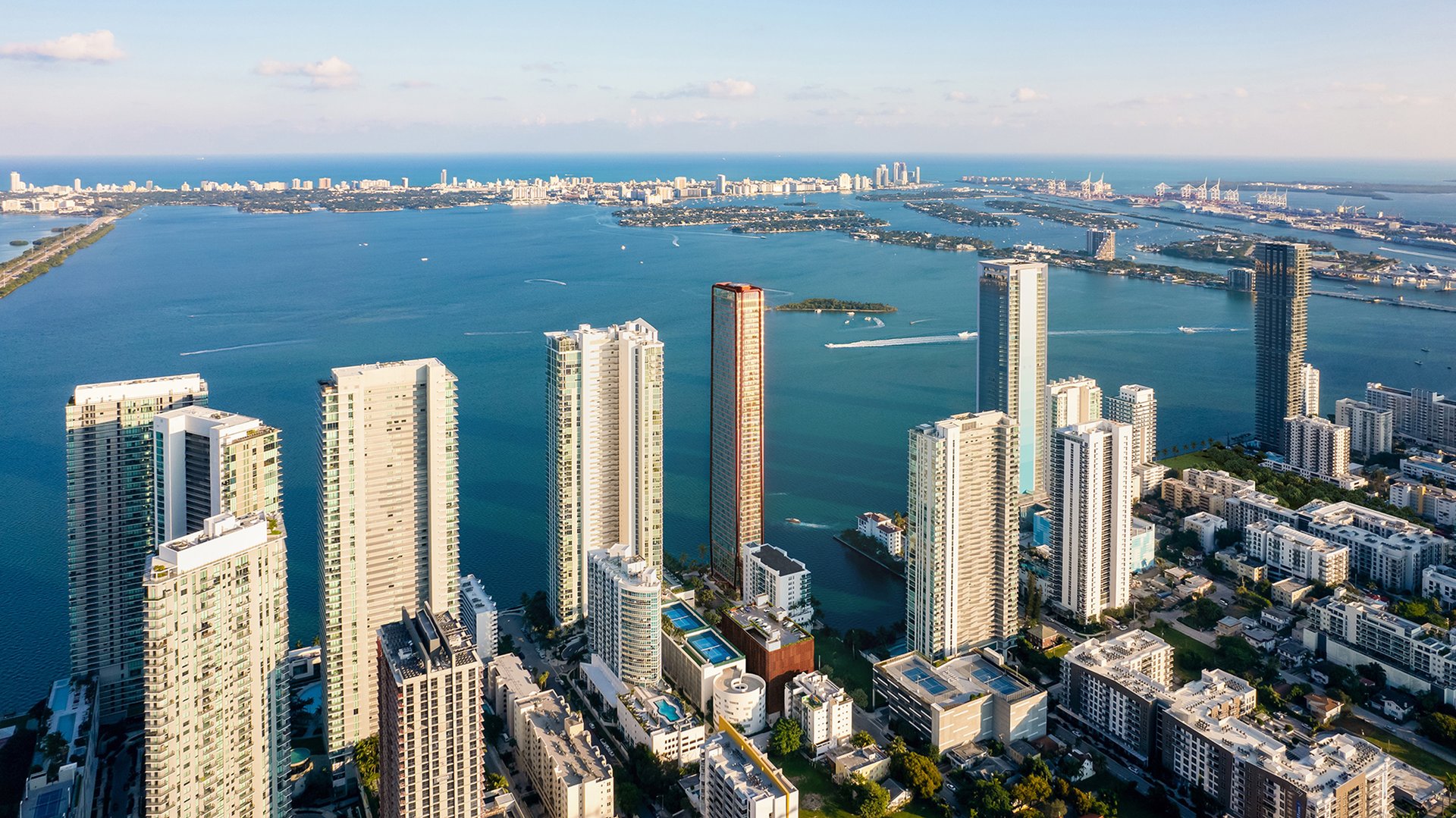
Florida’s housing crisis is more than just rising costs in urban areas like Miami and Orlando. It’s more than just the numbers—it’s the young families, seniors, and essential workers who represent Florida’s most vulnerable, all stretching their paychecks further than ever before.
- More than half of renters in South Florida spend over 30% of their income on rent. Living paycheck to paycheck, a tipping point where “affordable” living starts to crumble.
- For every 100 extremely low-income households, only about 25 affordable homes exist, leaving 75 families still searching for a place they can afford.
- Waitlists for housing assistance go on for many years, forcing families to make impossible choices between basic human needs such as housing, groceries, and healthcare.
With housing costs rising faster than paychecks, too many Florida families are left one setback away from losing their home. Emergency shelters can offer a lifeline, but they can’t replace the permanence of a place to call your own. Closing the gap means building new homes — and protecting the ones that still stand.
Meeting this challenge requires more than policy—it requires experienced partners who know how to turn need into impact.
Behar Font’s Role in Creating Housing Design for Florida Residents
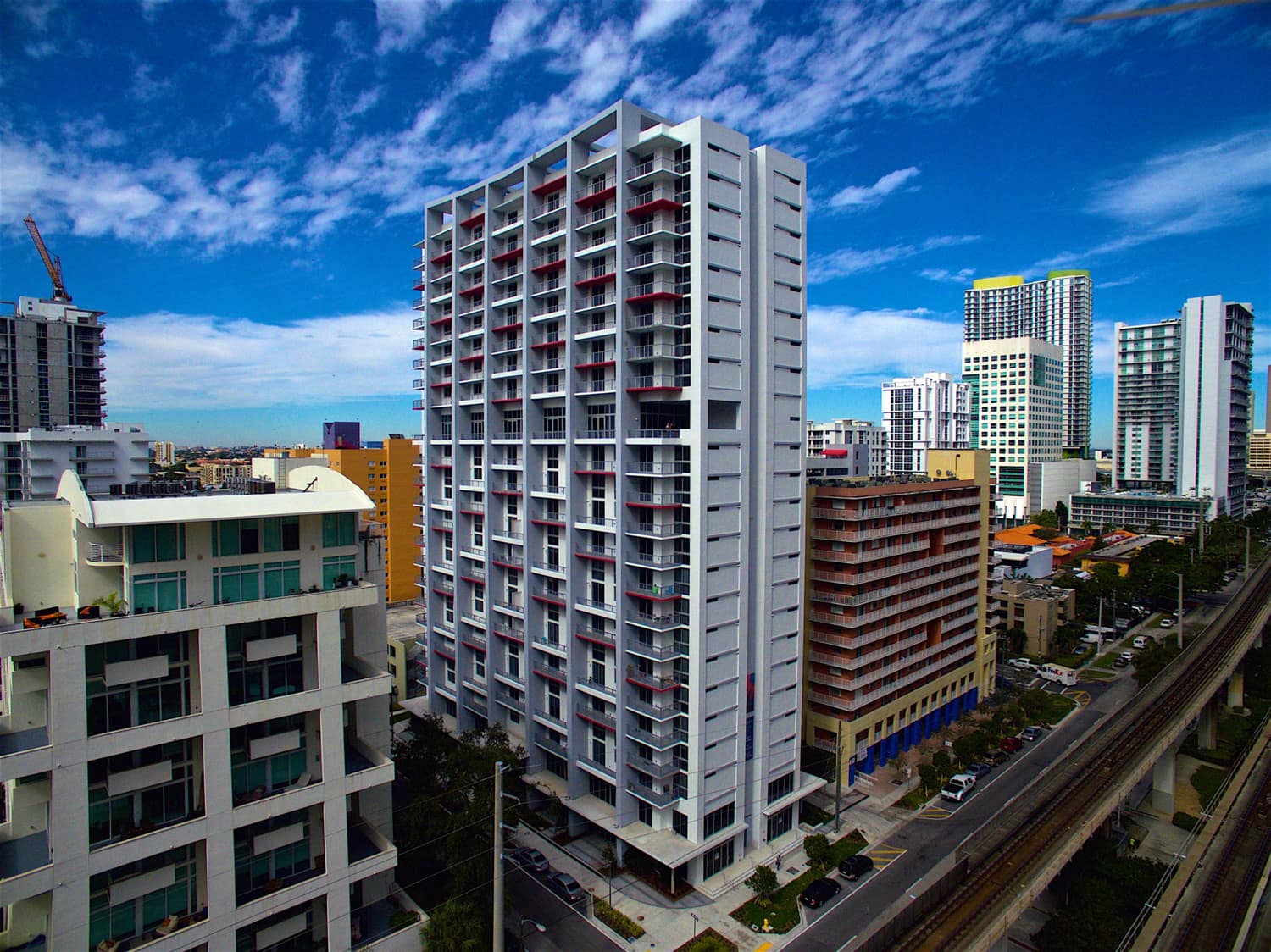
Over the last 4 decades, Behar Font has built its reputation as one of the most respected housing developers in Florida. We have worked in many different spaces, including, civic, mixed-use, and residential, but we are particularly well known for building affordable housing that balances efficiency and livability.
A few notable projects from our Affordable Living portfolio include:
- Dr. Alice Moore Apartments (West Palm Beach): A four-story, 36-unit community designed for residents with disabling conditions and limited incomes. With amenities like a library, business center, gym, green space, and on-site supportive services, it demonstrates how architecture and social services can work in tandem.
- Heritage (Miami): A four-story development offering 108 rental units, complemented by features such as a health clinic, clubhouse, pool, and laundry facilities. Heritage shows that affordable apartments can deliver both comfort and dignity.
- Gibson Plaza (Coconut Grove): A senior housing project designed to respect the neighborhood’s historic character while providing much-needed low-income housing. Gibson Plaza creates a bridge between context and community need.
- Meridian Point (Goulds): Completed in January 2025, this project introduces 113 residences across a seven-story tower and a garden-style building. It includes a fitness center, children’s play areas, and open community space—designed to foster connection and a sense of place.
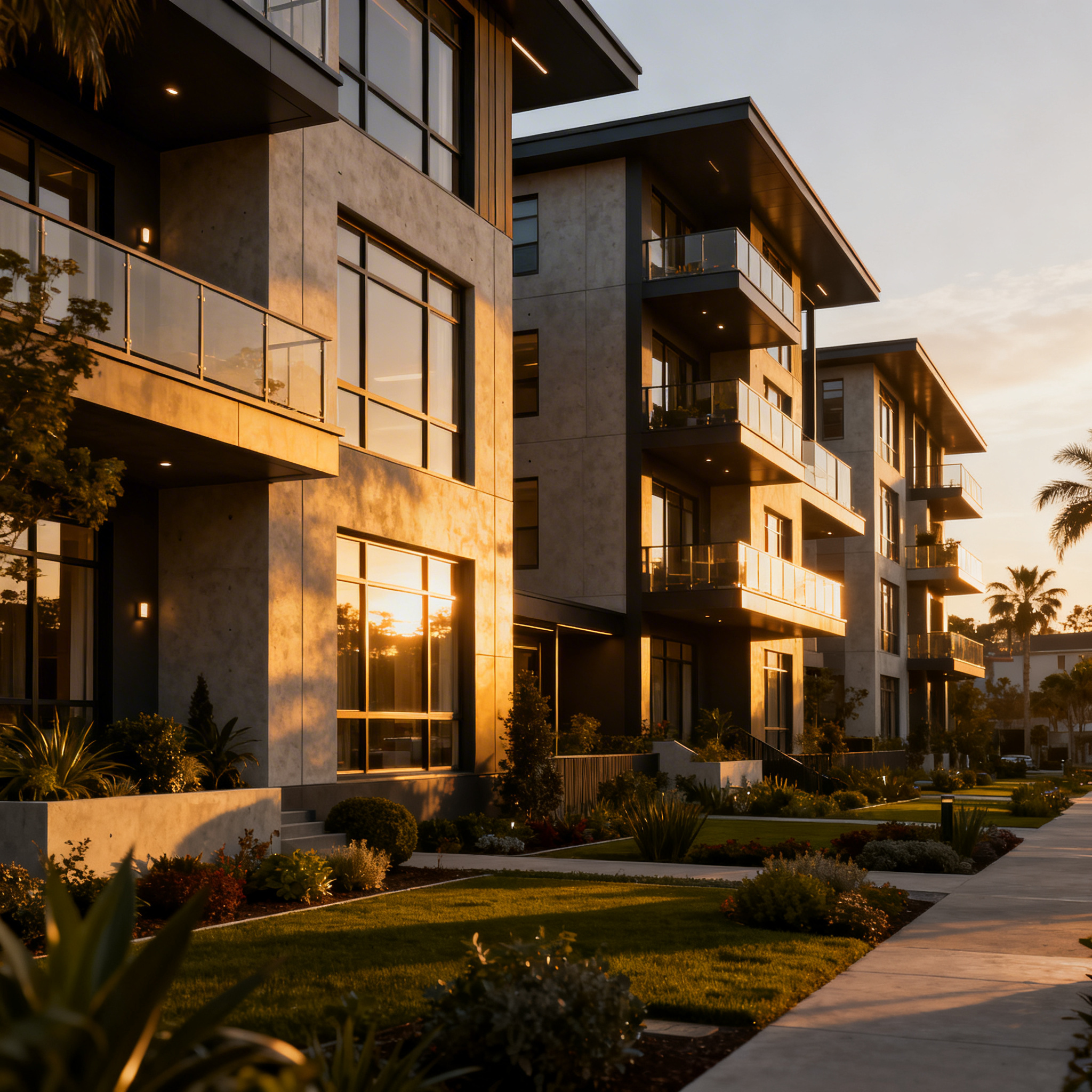
Each project demonstrates our philosophy, which is tied to providing affordable housing that goes beyond lowering rents. It is about designing places where residents thrive.
Meeting the Housing Market Where It Is
Florida’s housing market keeps changing. In some cities, there are more listings on the market, but that doesn’t mean homes are any easier to afford. Much of the new construction still aims at higher price points, leaving working families with few realistic options. The truth is, the market alone isn’t built to meet the need for deeply affordable homes.
Closing that gap takes teamwork. Developers and cities need to work side by side — aligning zoning rules, incentives, and funding so that new projects actually reach the families they’re built for. In Florida, most affordable housing developments come together through a mix of funding sources:
- Federal tax credits (9% or 4% LIHTC) sold to investors to raise equity.
- First mortgages sized to restricted rent levels.
- Soft funding from state and local programs (SAIL, HOME, CDBG) or city incentives like reduced land costs.
- Subsidies and vouchers that deepen affordability for residents with the lowest incomes.
True affordability doesn’t happen only on paper — it happens in neighborhoods. Many parts of Florida still have untapped potential, with lower land prices and tax rates that make new construction possible. When developers invest in these areas and design for safety, connection, and community, they help neighborhoods grow stronger while keeping projects financially viable.
At Behar Font, this intersection between capital structure and human-focused design is the essence of each project we undertake. Our team is well-versed in understanding complex capital structures to also build an environment that cultivates safety, dignity, and a sense of belonging while developing projects that serve their inhabitants well by improving the city that surrounds it.
Frequently Asked Questions About Housing in Florida
1. Is “affordable” the same as “public housing”?
No. Public housing is one specific model owned by a public entity. Many affordable apartments are privately owned but income-restricted through HUD, LIHTC, or local agreements.
2. How are affordable rents set?
They’re tied to household income at specific AMI levels, and often to unit size (number of bedrooms) and family size. Programs typically aim for residents to spend no more than 30 percent of gross income on housing.
3. What’s the difference between a voucher and a subsidy baked into a building?
A voucher follows the tenant (they take it to an eligible apartment), while project-based subsidies stay with the unit. Many communities use both to serve a broader range of incomes.
4. Do design choices really influence affordability?
Absolutely. Construction efficiency, durability, and energy performance directly affect both the total cost of housing and monthly bills, helping residents pay the rent and owners maintain affordability without excessive rent increases.
Policy Levers Local Governments Can Use
Architects don’t set policy, but good teams help cities implement it well. Behar Font routinely collaborates with public and private partners to make projects executable within real-world constraints. Practical steps localities can consider:
- Update zoning to permit more units by right (small lot in-filling, missing middle housing, accessory dwelling units) in transit-served corridors.
- Faster approvals for projects with commitments for affordability—all time savings count as money savings.
- Provide land and fee relief for projects that serve fewer than 60% AMI or have a fixed number of units targeting extremely low income households.
- Use design standards to specify durability and contextualism rather than over-specifying building materials.
- Group services (health clinics, child care) in affordable buildings
Behar Font brings this policy-aware mindset to its residential practice. You can also view recent thinking on market conditions in the firm’s article on new construction investment in Miami.

Florida’s Housing Future and How Behar Font Can Help
The Florida housing market is continuously shifting toward the higher end of the market. Higher land costs and construction expenses could make real affordable housing unfeasible, while rent controls are rare and politically contentious.
To meet future needs, Florida must invest in:
- New housing tailored for a variety of family sizes.
- Preservation of existing affordable rental stock.
- Expansion of government programs like LIHTC and Section 8 vouchers.
- Support for local governments to innovate in zoning and land use.
Behar Font’s services are already modeling how housing developers can step up. Our work shows that building affordable housing isn’t just about charity. It’s a long-term investment in Florida’s social and economic stability.
At its core, affordability is about choice. The ability for families to decide where to live without sacrificing health, education, or financial security. Florida cannot afford to ignore this issue, and neither can the professionals who shape our cities.
To learn more about how Behar Font is shaping the future of affordable housing in Florida, we invite you to connect with us.