Urban planning is central to shaping the future of our cities. It’s the blueprint that guides how metropolitan areas grow—making sure that development is not only sustainable, but also inclusive, efficient, and adaptable. In today’s rapidly changing world, urban and regional planning matters more than ever.
It influences the very structure of our communities. As urbanization accelerates, the need for smart, practical design becomes even more pressing. Urban planners play a vital role in managing land use, transportation, and development in a way that meets the unique needs of each community.
As cities grow, planners are tasked with balancing progress with environmental, social, and economic priorities—ensuring that tomorrow’s communities are livable and vibrant. So how exactly does urban planning support sustainable development? Let’s explore how intentional, forward-thinking design can help cities thrive well into the future.

Key Components of Effective Urban Design
Urban design is the spatial framework through which cities express their identity, efficiency, and adaptability. At its core, it balances the poetic with the practical—crafting environments that not only function, but resonate with the people who inhabit them. Principles of sustainable development play a critical role in this process, ensuring that urban development meets the needs of the present without compromising future generations. This discipline shapes how we move, interact, and feel in a city, making it an essential bridge between architecture and community.
Thoughtful land use and density strategies are central to creating inclusive, multimodal cities. When walkability, transit accessibility, and public space are designed as a unified system, the urban experience becomes more connected, equitable, and efficient. These elements don’t exist in isolation—they form the underlying structure that supports vibrant, livable communities.
Embedding sustainability into the physical fabric of cities—through green infrastructure, public transport options, and pedestrian-friendly mixed-use zoning—transforms urban design into a tool for long-term resilience. When done with intention, it not only promotes environmental health and economic vitality but also encourages deeper civic engagement and cultural identity.
The Role of Local Government in Urban Development
Local government plays a critical role in urban development. Municipal authorities help shape our communities’ physical and social fabric through zoning laws and regulations. These policies dictate land use decisions, ensuring the sustainable development of urban areas while addressing housing needs, commercial growth, and public spaces.
Moreover, local governments work closely with urban planners to execute development projects that promote community needs. By understanding the dynamics of urban and regional planning, they can better allocate resources and address citizen concerns. Public engagement in the planning process allows community voices to influence decisions, creating urban environments that reflect the desires of their inhabitants.
The relationship between local government and urban planners is essential for successful urban development. This collaboration ensures that infrastructure projects align with broader goals for economic growth and quality of life in metropolitan areas. Effective governance in urban planning can lead to thriving urban centers catering to all residents’ needs.
The Role of Urban Planners in Shaping Our Cities
Urban planners are the strategic minds guiding the growth and transformation of our cities. Trained in disciplines such as urban planning, land use, and regional development, they possess the expertise to navigate the complex interplay between people, infrastructure, and the natural environment. Their work often spans transportation systems, zoning regulations, community development, and sustainable practices—each critical to the health and functionality of urban areas.
- Long-term Planning: Urban planners develop comprehensive plans and strategies for sustainable growth, balancing economic development, environmental preservation, and social inclusion.
- Forecasting Trends: They anticipate population growth, demographic shifts, climate change impacts, and technological advancements, incorporating these insights into urban design and infrastructure decisions.
- Efficient Space Utilization: Planners allocate land resources to ensure balanced development, deciding where residential, commercial, industrial, recreational, and conservation areas are placed.
- Zoning Regulations: They develop zoning laws to manage density, building types, heights, and uses, thereby shaping how communities function, look, and interact.
- Revitalization Projects: Urban planners guide revitalization efforts to enhance neighborhoods and cities economically and socially, attracting investments and job opportunities.
- Balancing Growth and Equity: They strive for economic policies that prevent displacement, support small businesses, and ensure economic benefits reach diverse community groups.
- Community Engagement: Planners actively involve residents in shaping their cities, ensuring decisions reflect local needs, values, and aspirations.
A degree in urban studies prepares professionals to address the complex challenges posed by rapidly growing urban populations. Planners are trained to envision and implement comprehensive development strategies that prioritize long-term sustainability. In doing so, they must navigate a wide range of factors—from environmental impact to economic development—to create balanced, inclusive solutions that serve the needs of all members of a metropolitan community.
Sustainable Development Planning
Sustainable development is a central concept to modern urban planning. Planners implement targeted strategies to reduce urban environmental impact while promoting economic and social well-being. These efforts include energy-conserving building construction, improved public transportation usage, and an increasing focus on green cover.
With enhanced urbanization, cities are coming under increasing threats of pollution, traffic congestion, and climate change. Urban planners are charged with creating urban spaces that serve the current generation’s demands and reserve resources for future generations.
Sustainable urban design is an integral part of this. This means considering long-term developmental effects, such as how transport planning will affect emissions, the impact that land-use planning will have on managing water, and how the city’s structure can be altered to make it energy-efficient. Strategic planning helps mitigate climate change by cutting emissions and supporting cleaner infrastructure systems.
Urban Planning Theories and Practices
Urban planning theories help planners understand how the built environment shapes behavior, connection, and sustainability.
Concepts like New Urbanism—discussed earlier—underscore the value of walkability, transit access, and human-scaled design. More than just urban form, they emphasize reversing car-centric growth and restoring neighborhood cohesion.
Participatory planning builds on this by inviting community members into the process. This model encourages residents to express their needs and desires, fostering a sense of ownership over their environment. Urban planners benefit from these insights, allowing them to create spaces that genuinely reflect the community’s character and priorities.
Strategic urban planning focuses on long-term goals, integrating various planning practices that address social, economic, and environmental concerns. By exploring these theories and practices, urban planners can design resilient urban systems capable of adapting to changes, enhancing the quality of life for all residents. The success of city development hinges on implementing these theories, proving essential for thriving urban environments.
The Urban Planning Process — The Behar Font Way
Urban planning is not a one-size-fits-all approach. Each city is unique, and planning needs to consider local conditions, neighborhood needs, and environmental goals. Urban planners typically start by mapping the city’s current condition with geographic information systems (GIS) and other tools.
GIS tools help planners analyze land use, infrastructure, transit networks, and population density—laying the foundation for smarter, data-driven development.
After this analysis, strategists formulate a strategic development plan consistent with the local government’s goals, the community’s requirements, and environmental factors. Planning involves several steps such as zoning, land use, and infrastructure planning. These plans outline how a city will evolve over five to ten years—addressing land use, infrastructure, and community needs in alignment with broader goals.
- Technology extends beyond GIS. Planners also utilize simulation software to model scenarios and visualize the impact of potential developments. This enhances their ability to communicate plans and engage communities in planning.
- Access to accurate data allows urban and regional planners to identify trends, assess environmental impacts, and devise strategic initiatives that align with community goals.
Urban planners cooperate with local government, developers, and other actors to ensure the plan serves the public interest. The resulting plan addresses today’s challenges while anticipating future growth, infrastructure demands, and community needs. Urban and regional planners must stay current with trends and changes in urban planning and policy so that decisions align with best practices and emerging challenges.
Urban Revitalization and Equitable Growth
Urban renewal is a powerful tool for sustainable development in aging or underserved communities. By repurposing abandoned spaces and modernizing infrastructure, cities can reinvigorate neighborhoods while maximizing the use of existing resources.
Equitable urban planning is also essential. As cities grow, planners must ensure growth benefits all residents—not just affluent property owners or business investors—by addressing the needs of low-income and historically underserved communities. Equitable urban planning is focused on making hospitality, housing, education, healthcare, and employment accessible to all citizens, regardless of their socio-economic status. Planners must make thoughtful, inclusive decisions to avoid gentrification and ensure that development plans do not displace vulnerable groups.
Urban Planning Challenges & Growth Trends
Rapid urbanization brings significant challenges and needs effective solutions.
- Cities face issues like inadequate housing, transportation congestion, and environmental degradation.
- These urban challenges require innovative approaches in planning to ensure sustainable development and a high quality of life for residents.
Current growth trends indicate a shift towards innovative city initiatives.
- These projects rely on technology and data to improve infrastructure, enhance service delivery, and promote effective resource management.
- Urban planners must address the rising demand for affordable housing and environmentally friendly practices to cope with population growth in metropolitan areas.
Urban revitalization also plays a crucial role in tackling these challenges. Cities can stimulate economic development and enhance social interaction by transforming neglected areas into vibrant communities. Addressing these urban challenges through strategic planning and effective policies will help create resilient urban areas that thrive amidst ever-changing circumstances.
As cities evolve, staying ahead of these trends ensures planners can proactively address the needs of their communities.
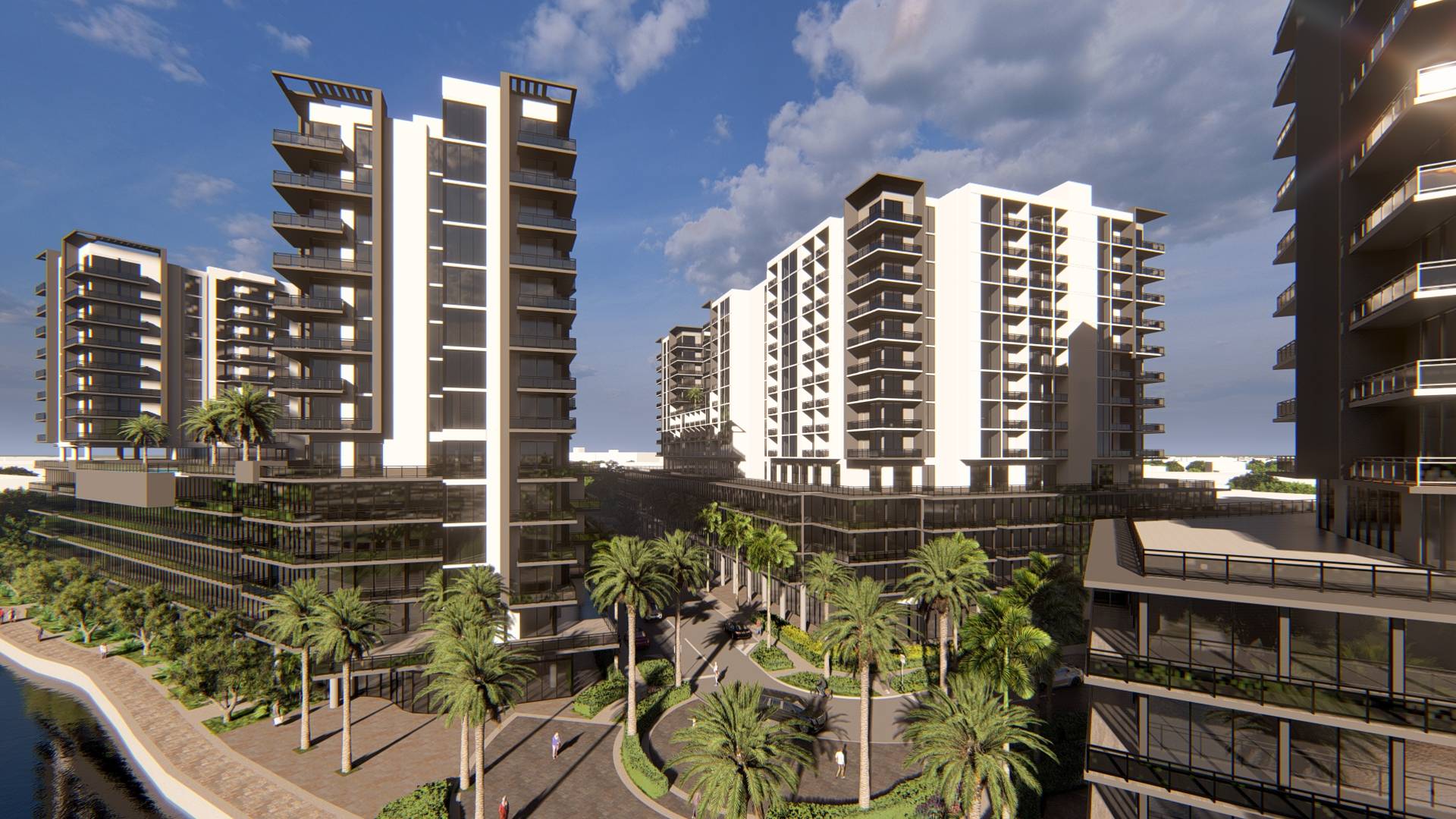
How Behar Font Architecture Can Help
At Behar Font, we are an award-winning architectural firm with over 35 years of experience in urban planning and design. Our diverse portfolio encompasses retail facilities, residential complexes, professional office centers, and multi-use developments.
In urban planning, we create functional, sustainable spaces that enhance communities through thoughtful design. We incorporate green spaces, pedestrian-friendly layouts, and mixed-use capabilities to foster vibrant, livable environments.
Whether you’re revitalizing an urban district or planning a new mixed-use development, our team can help you turn complex urban challenges into lasting community assets. Get in touch to explore how our expertise can bring your vision to life.
Our comprehensive approach includes feasibility and zoning studies, environmental performance standards, strategic growth management, cost estimating, architectural design, construction document preparation, securing local approvals and permits, and contract and construction administration.
This ensures that each project aligns with our clients’ visions while adhering to environmental and economic objectives.