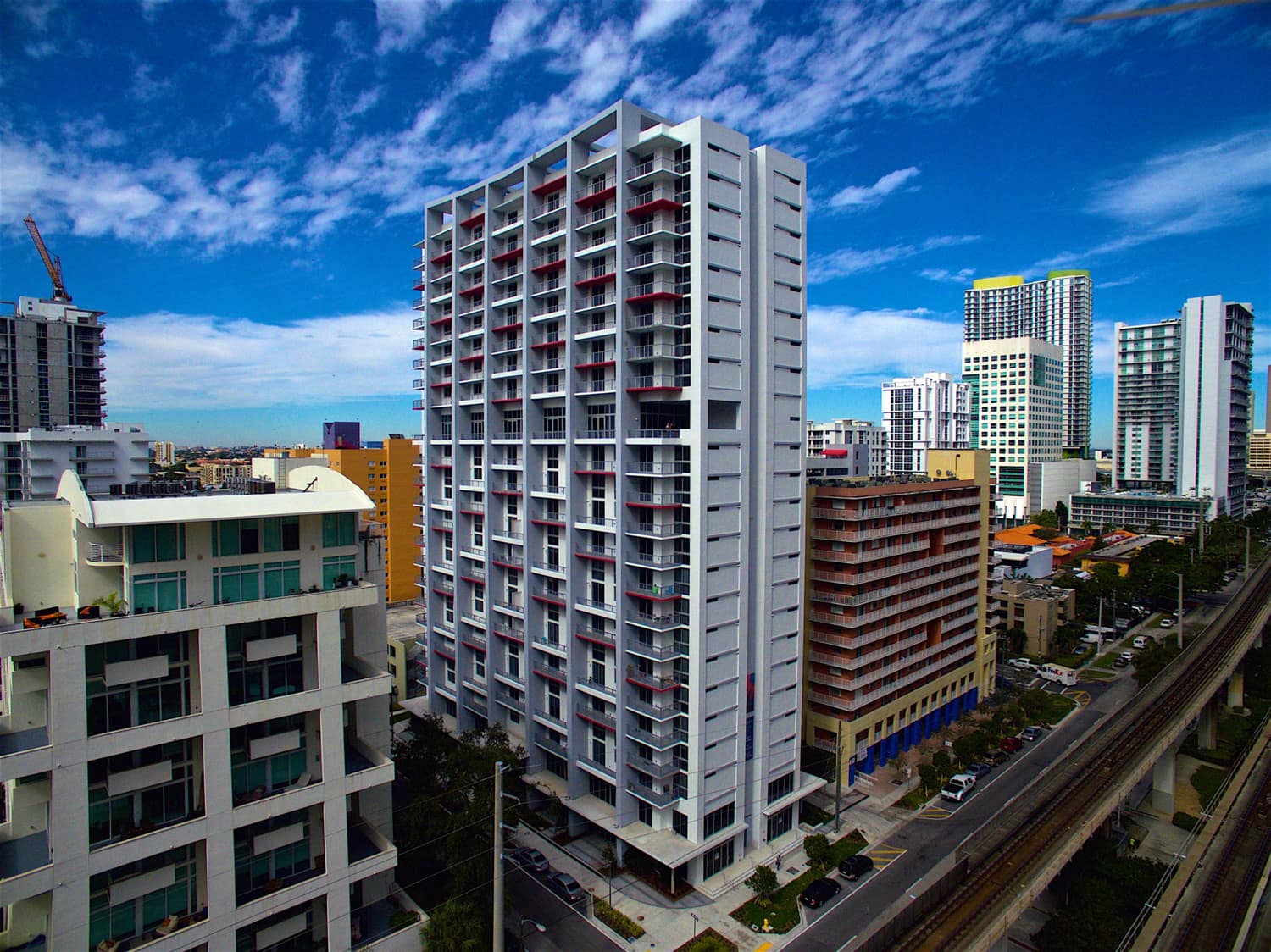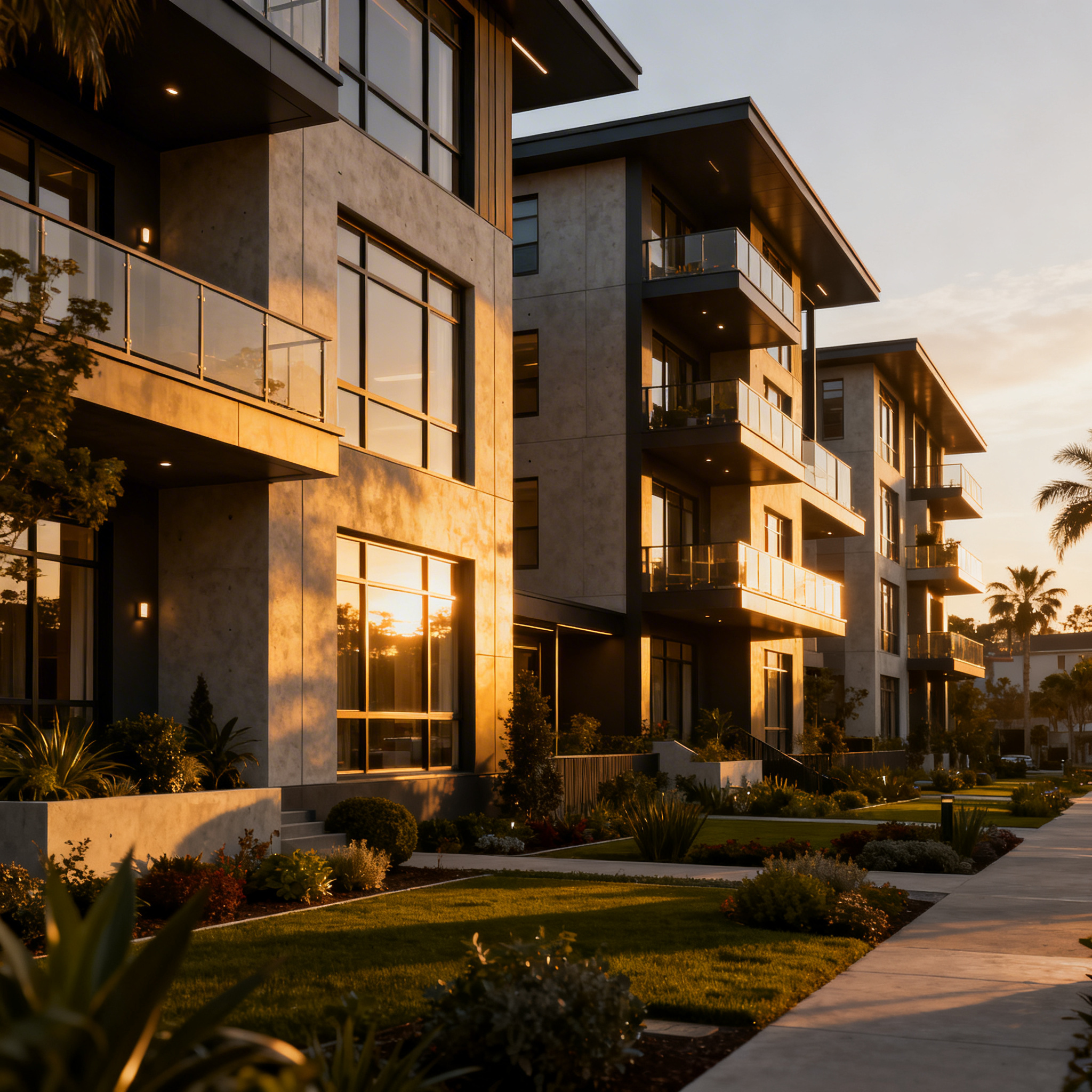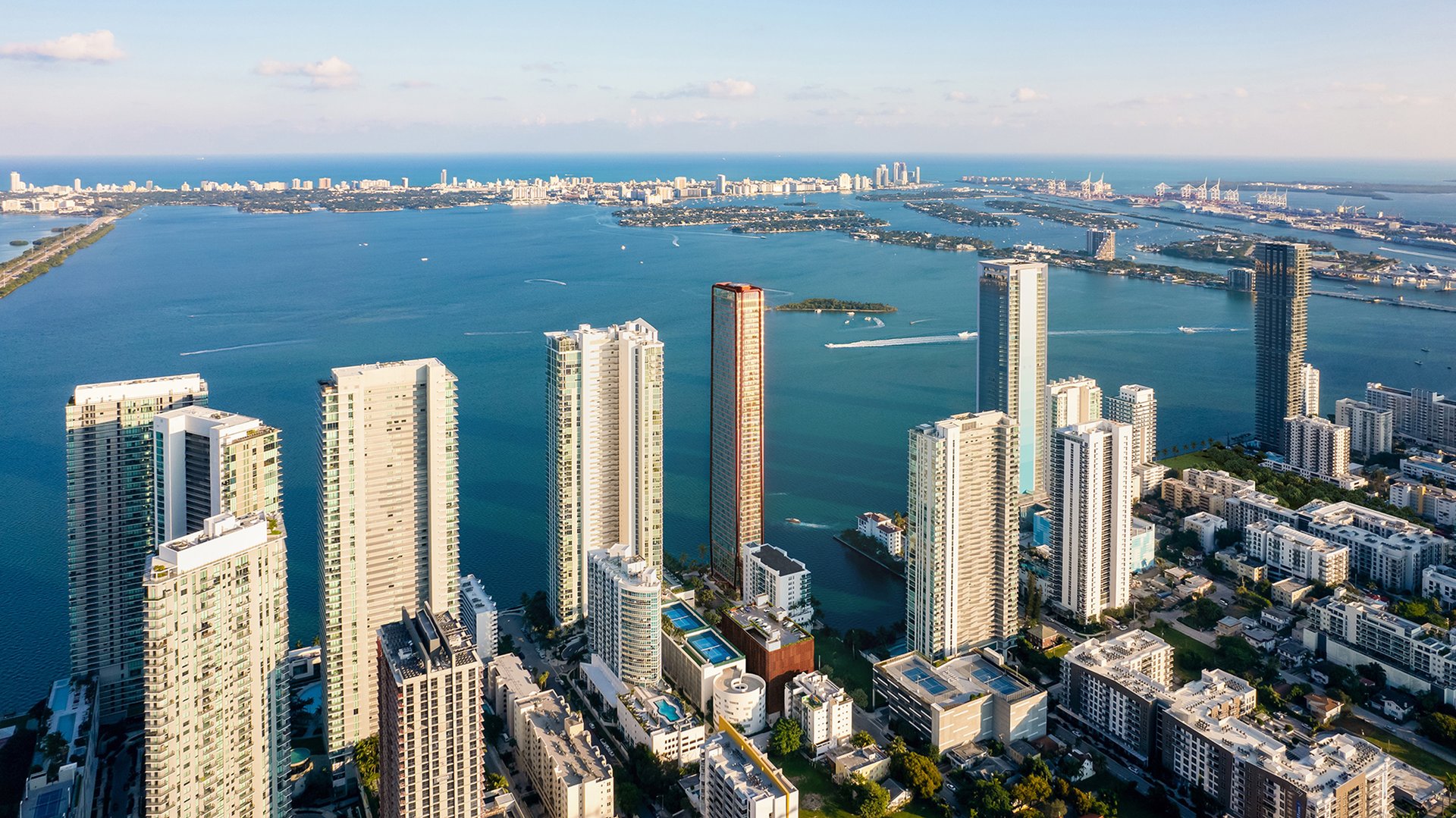
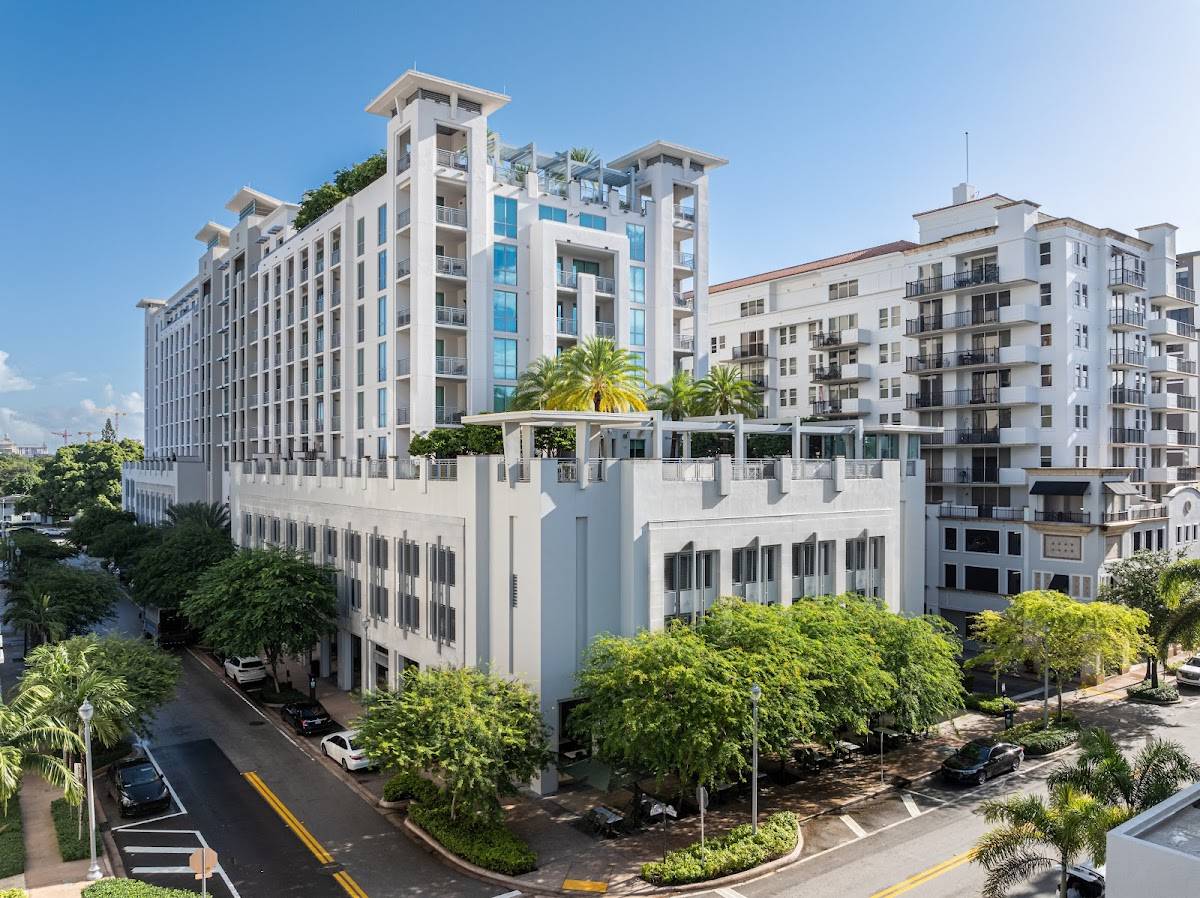
Florida’s real estate boom continues to make national headlines with its fast growth, an influx of new residents, and evolving urban infrastructure. Powering this shift is a dynamic sector that’s rapidly transforming the home landscape: multi-family housing.
As increasing numbers of people and families opt for rental housing, multifamily properties have become the solution to meeting Florida’s evolving housing needs. These structures — apartment complexes, duplexes, triplexes, townhouses, fourplexes, and mixed-use developments — are not only filling a gap in demand; they’re transforming how cities grow, how individuals live, and how investors approach real estate development.
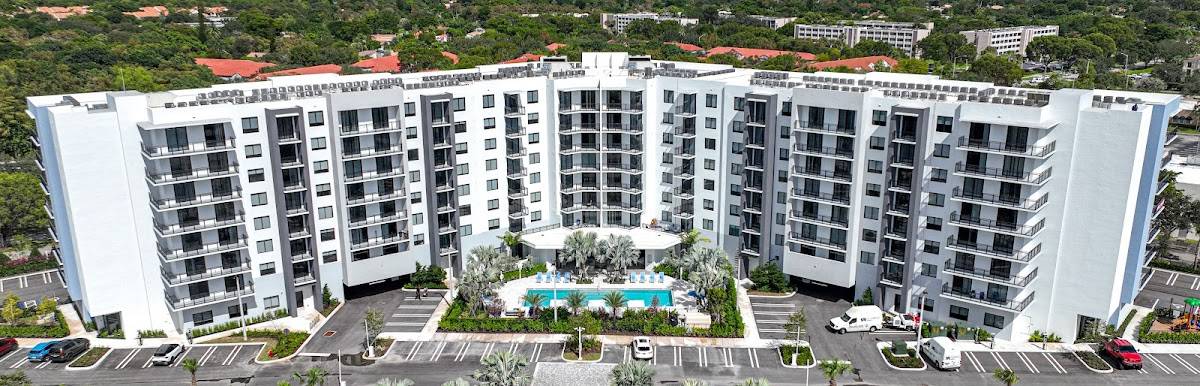 Florida’s Population Growth and Urban Density
Among the primary drivers of Florida’s multi-family housing boom is population growth. Florida is projected to be adding hundreds of thousands of new residents annually, making it among the fastest-growing states in the country. Factors like no state income tax, a favorable business climate, and good weather keep attracting remote workers, retirees, and entrepreneurs alike.
As cities become more crowded and land becomes scarce, the focus shifts away from the single-family home and towards more efficient substitutes. Enter multifamily residential development—a model that densifies housing units, encourages walking, and capitalizes on shared and common space to support modern urban living.
What Is Multi-Family Housing
Multi-family housing refers to any residential building or complex with more than one separate housing unit within one building or complex. The examples range from the simple duplex with separate entrances to large garden-style apartment complexes to high-rise condominiums.
Some of the most typical examples of multifamily properties are:
- Duplexes, Triplexes, and Fourplexes: Small two- to four-unit structures, typically owner-occupied or leased out for purposes of income
- Apartment Complexes: Large-scale projects with numerous residential units, shared amenities, and common spaces.
- Condominiums: Privately owned residential units in a building, typically regulated by a homeowner association.
- Mixed-Use Developments: Buildings containing residential units and retail or office space offer live-work-play functionality.
For developers, city planners, and investors, these forms of housing provide an opportunity to maximize land use, increase ROI, and support Florida’s changing demographic and economic environment.
A Solution to the Affordable Housing Shortages
Florida is facing an affordability crisis today. The increasing discrepancy between home prices and income has priced many single-family homes out of reach, particularly for low-income individuals, young professionals, and retirees.
Multi-family housing has been proven to be a suitable solution. By building more housing units per acre, multifamily developments reduce unit cost since affordable and safe housing is achievable. On HUD.gov, through the Office of Multifamily Housing, efforts in the direction of affordable housing, such as public housing, rental assistance, and developer partnerships, are crucial to making housing accessible across the financial levels.
HUD initiatives such as Section 8 and HOME Investment Partnerships assist with the financial cost of housing for vulnerable groups such as low-income families, persons with disabilities, and elderly citizens. Up until now, in 2025, greater emphasis has been placed on building multifamily rental housing aligned with energy efficiency, climate adaptability, and long-term affordability criteria—all of which support broader urban planning priorities.
The Investment Edge: Why Investors Are Moving to Multifamily Real Estate
Multifamily property investment has been increasingly attractive in Florida. First, it offers consistent cash flow through multiple income sources from leasing. Second, unlike single-family dwellings, multifamily structures are often more resilient to market ups and downs, as vacancies in one unit won’t necessarily yield negative cash flow.
In 2025, institutional investors and individual building owners have increasingly viewed apartment developments, mixed-use properties, and condos as long-term wealth-building strategies. Real estate investment trusts (REITs), private equity groups, and pension funds are fueling new development and acquisition of multifamily properties, further validating the sector’s strength.
Asset management services have become more robust, too, with specialist property management companies simplifying leasing, maintenance, and resident engagement through streamlined services. Developers and architects can more easily design flexible floor plans that address lifestyle requirements using tools like multifamily drafting tables.
Changing Demographics and Housing Trends
Florida’s demographic profile is changing rapidly. Today’s renter might be a digital nomad, a senior citizen requiring simple living arrangements, an underprivileged family seeking proximity to work sites and schools, or a millennial who appreciates amenities and walkability.
Multi-family dwellings take care of all these needs. The variety of multifamily real estate is increasing from walk-up apartment buildings in gentrified old neighborhoods to new townhouse developments near business hubs. Most properties today feature shared common areas, gyms, co-working lounges, and proximity to transit, keeping pace with the lifestyle demands of a more mobile, convenience-driven society.
HUD and the Drive for Inclusive Housing Policy
The role of the U.S. Department of Housing and Urban Development (HUD) remains key in the dissemination of multifamily rental housing. Through regulations, grant programs, and technical assistance, HUD helps construct and maintain public housing, low-income apartments, and affordable housing communities that serve disadvantaged groups.
HUD agencies, including the Office of Multifamily Housing, have instituted policy frameworks that support mixed-income housing, zoning reforms, and refinancing options that increase developers’ capital availability.
It is essential to have a legal partner who understands HUD regulations and Florida real estate statutes for those working at the intersection of policy, development, and law. At BEHAR FONT Partners, P.A., we provide legal counsel to property developers, building owners, and asset managers engaged in multifamily real estate ventures statewide. From financing and refinancing to zoning and contract negotiation, we ensure that ventures comply with federal, state, and municipal regulations.
The Role of Mixed-Use and Green Planning
As cities become more densely populated, mixed-use planning is essential. Multifamily developments with residential space and embedded retail, dining, and office space reduce the need for driving and contribute to climate resilience by encouraging non-motorized transportation.
These communities also encourage energy efficiency through innovative design, green building materials, and access to public infrastructure. From garden apartment designs that maximize daylight to walk-up buildings that eliminate elevator use and strain on the energy grid, new multifamily buildings speak to consumer values and municipal sustainability priorities.
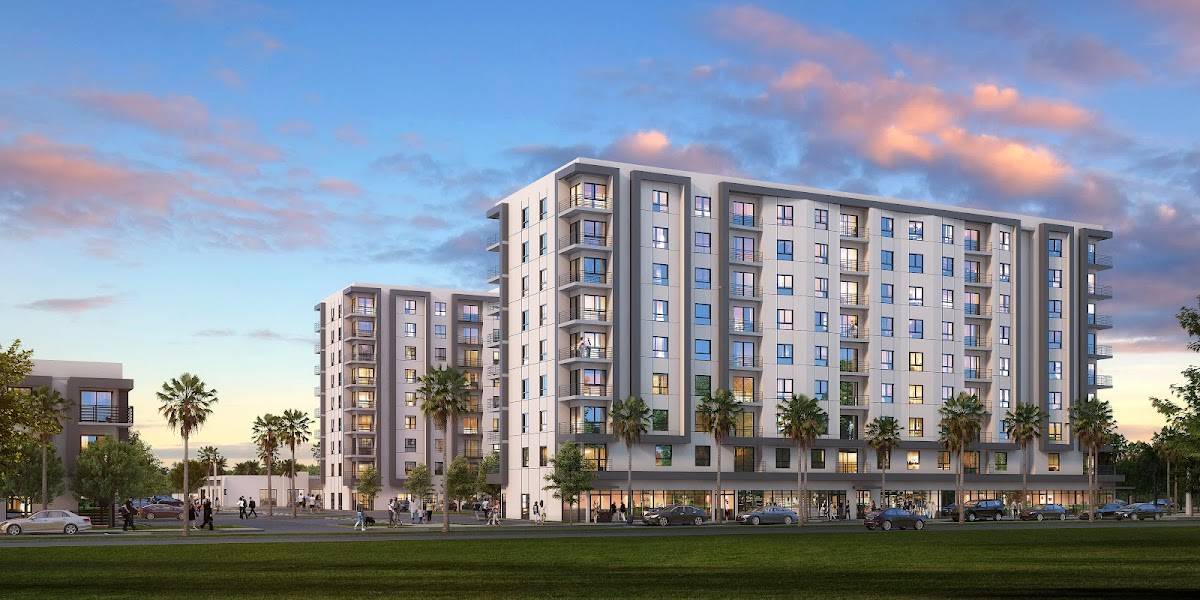 Looking Ahead: The Future of Multi-Family in 2025 and Beyond
The future of Florida multi-family housing isn’t just one of growth — it’s about evolution. Cities are reconsidering zoning policies to allow for higher-density housing. Developers embrace modular construction, non-traditional floor plans, and innovative finance models to keep pace. Individuals are demanding affordability, accessibility, and quality of life.
At the same time, legal and regulatory advice in this space is more crucial than ever. With volatile market conditions, shifting HUD policy, and increasingly strict scrutiny on affordable housing development, legal guidance protects and empowers developers and building owners.
Whether your goal is to build a condominium tower, invest in a four-unit multi-family property, or reposition an existing apartment complex, success depends on sound planning, legal precision, and a firm understanding of Florida’s constantly shifting real estate environment.
Florida’s real estate boom isn’t nearly finished, but the future growth template is shifting. Multi-family housing is no longer a specialty product but the foundation for building inclusive, efficient, and thriving communities.
From making housing more affordable for low-income families to offering enticing prospects for investors, multifamily real estate is the foundation of modern development in the Sunshine State. For cities struggling to keep up with increasing demand for housing, developers seeking to build smarter, and families seeking safe, vibrant neighborhoods, the advent of multifamily housing isn’t just timely—it’s imperative.
If you need advice or representation for multifamily properties, mixed-use projects, or public housing partnerships, contact BEHAR FONT Partners, P.A. Our team offers sound strategic counsel built on years of industry experience and an unwavering dedication to Florida’s evolving housing future.