Miami is celebrated for its sun-soaked beaches, pulsating arts and culture scene, and the kaleidoscope of neighborhoods that define its character. But amid this vibrancy, finding housing that’s both budget-friendly and thoughtfully designed can feel like chasing a mirage.
As a Coral Gables-based firm with over thirty-five years of award-winning architectural experience, Behar Font & Partners is uniquely positioned to help reshape Miami’s housing narrative. We don’t just draw plans—we deliver solutions. Our extensive portfolio of affordable housing developments underscores our mission to design for dignity, access, and community.
Suppose you’re proposing a historic restaurant in Little Haiti, assessing a new-construction mid-rise in Allapattah, or bidding on a suburban townhome in Kendall. In that case, our team is on your side.
 Behar Font’s Leadership in Affordable Housing
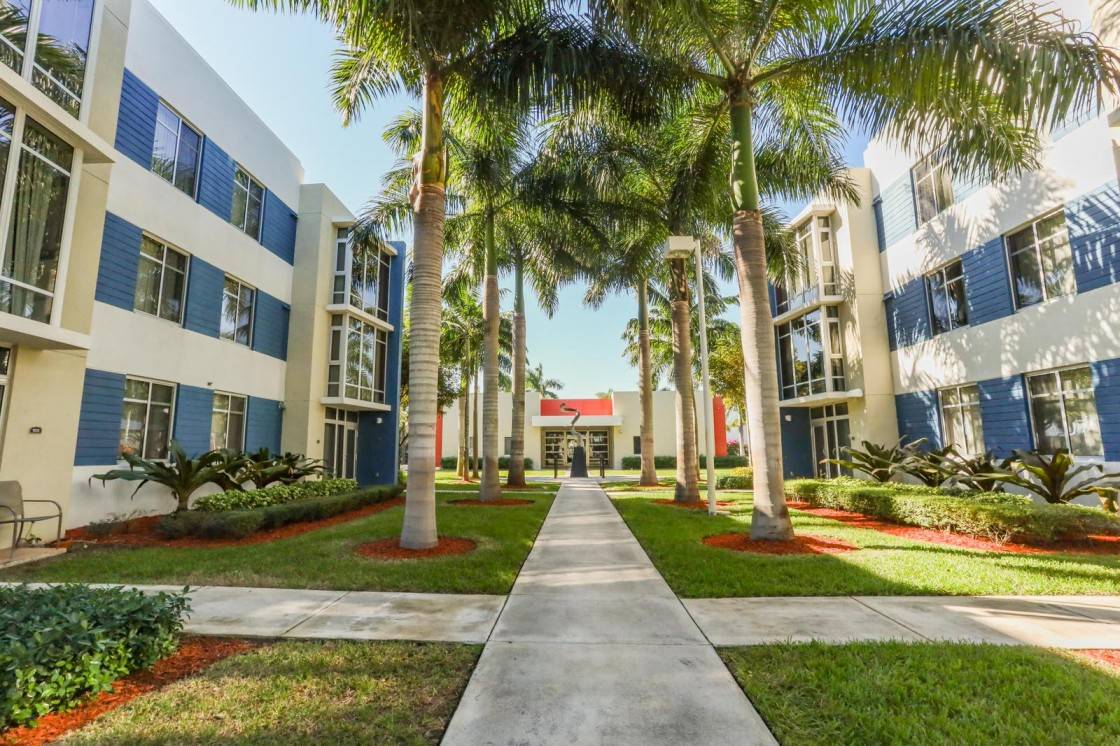
At Behar Font, affordable housing isn’t a sideline, it’s a core competency. We have developed hundreds of units across Miami-Dade that qualify for HUD funding and are deeply embedded in programs that aim to uplift underserved populations.
👉 View our projects: Affordable Housing Projects
One of our landmark contributions includes a $40 million HUD-awarded redevelopment in Goulds, as covered by Miami Times. Projects like this underscore our ability to integrate funding, design innovation, and social purpose.
Understanding Miami’s Housing Landscape
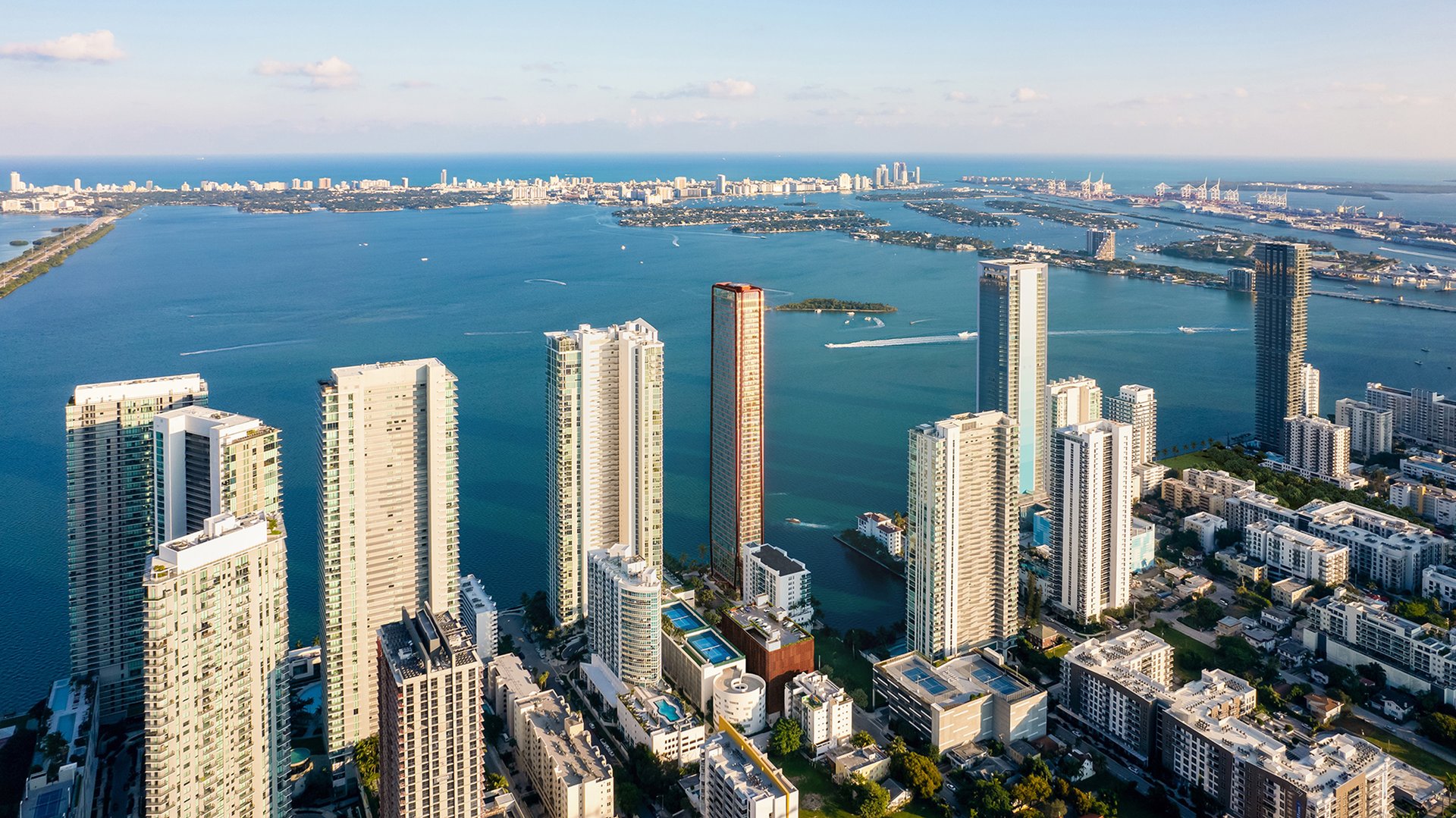
Miami’s real estate market is diverse, featuring luxury condos along Biscayne Bay, historic homes in Coconut Grove, and more modest properties inland. Yet, median home prices have climbed steadily over the past decade, driven by domestic migration, international investment, and limited land supply.
According to recent Realtor data, the Miami-Dade County median home price hovers around $450,000, leaving many entry-level buyers and renters in a tight spot.
Key factors affecting affordability:
- Location demand: Waterfront and central neighborhoods command premium prices.
- Inventory shortages: Limited new construction in specific price tiers.
- Income disparities: Wage growth has not always kept pace with housing costs.
Despite these challenges, Miami also offers pockets of relatively affordable options, especially in neighborhoods undergoing revitalization, as well as through targeted public and nonprofit programs.
Each spring, the U.S. Department of Housing and Urban Development (HUD) updates the Area Median Income (AMI) for Miami-Dade County. In 2025, the one-person benchmark is $86,800. Anyone earning eighty percent of that (sixty-nine thousand four hundred) qualifies for deep subsidies.
City-Supported Affordable Housing Programs
Architecture alone cannot erase poverty, yet thoughtful design stretches each public dollar. Miami-Dade County and the City of Miami have established a range of programs designed to assist low- and moderate-income households. Developers and planners can explore affordable housing availability via the HUD Geospatial Data Portal.
Below are some of the most accessible:
Workforce Housing Incentive Program (WHIP)
- Who it’s for: Developers who build rental units affordable to households earning 60–120% of Area Median Income (AMI).
- Benefits: Density bonuses and fee waivers to encourage inclusion of affordable units in new developments.
- How to find units: Look for WHIP-designated properties via the county’s housing office or partner realtors.
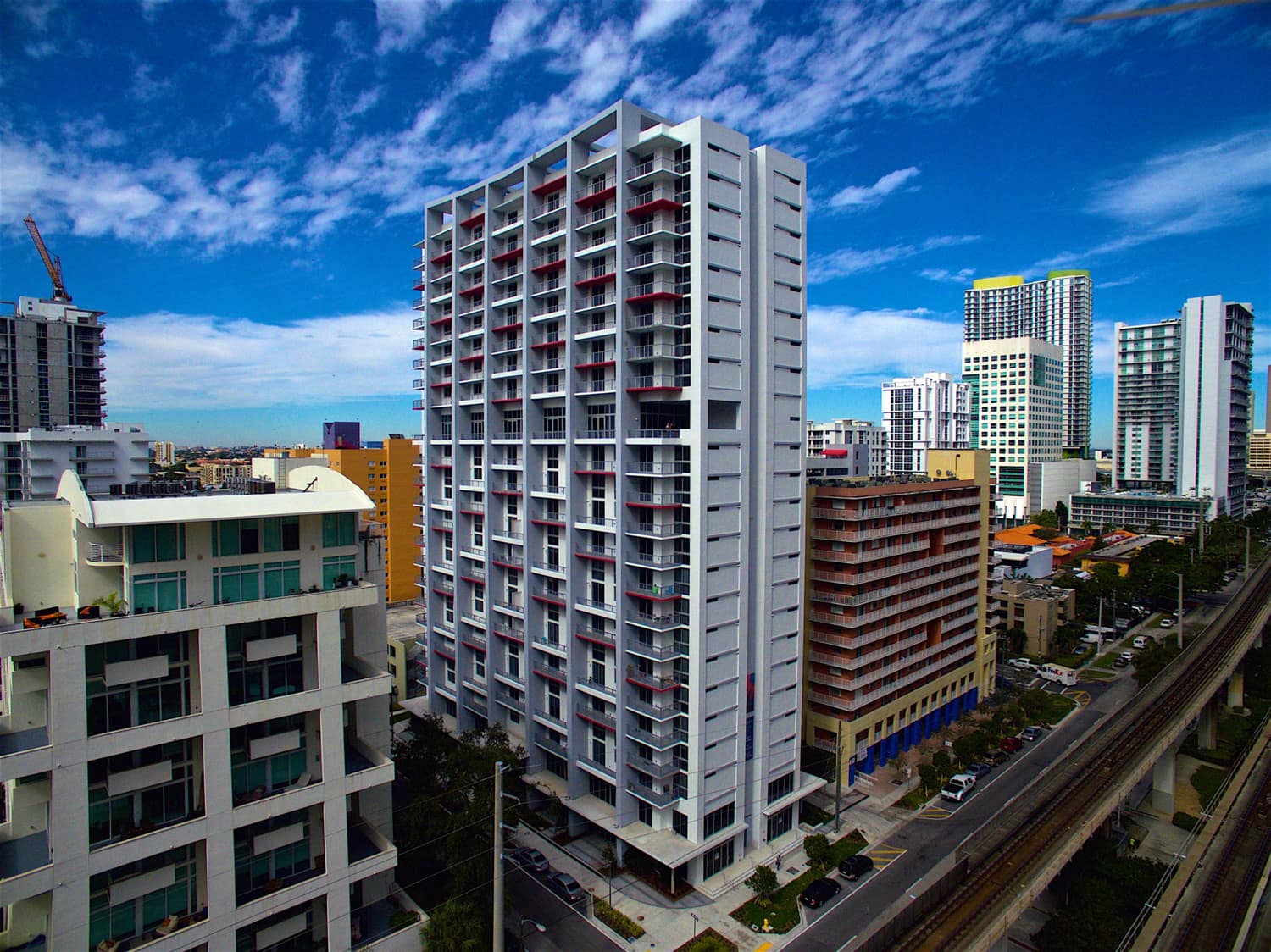
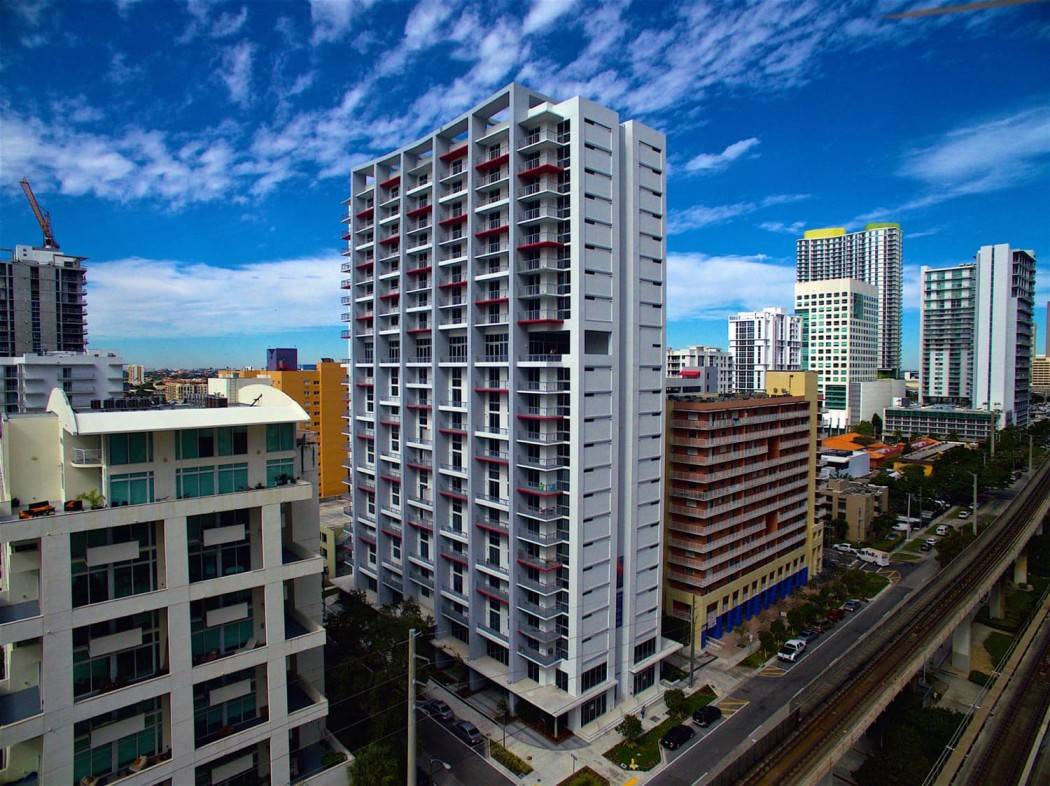
Brickell View Terrace embodies the concept of a twenty-three-story tower that combines one hundred income-restricted apartments with seventy-six market-rate homes, along with a business lounge, fitness suite, and garden terraces. The mixed-income model lowers per-unit operating costs, sustains ground-floor retail, and funds amenity upkeep without premium rents.
Miami-Dade County Housing Finance Authority (HFA)
- First-Time Homebuyer Mortgage Assistance: Offers down payment and closing cost assistance up to $25,000 in exchange for an affordability period.
- Tax-Exempt Mortgage Revenue Bonds: Offer lower interest rates to eligible buyers.
- Eligibility: Income limits apply (typically 80–120% AMI), and completion of a certified homebuyer education course is required.
While long-established areas like Coral Gables or Downtown Miami can be costly, several neighborhoods offer more budget-friendly opportunities without sacrificing access to transit, amenities, or community life.
Housing Choice Voucher Program
- Who it’s for: Very low-income families, the elderly, and disabled individuals.
- How it works: Vouchers cover a portion of rent in privately owned housing. The recipient pays roughly 30% of their income toward rent. Under the leadership of HUD Secretary Scott Turner, recent reforms aim to expand voucher portability and reduce regional disparities.
- Waiting list: Long and often closed, reopening periodically. Check the Miami-Dade Public Housing and Community Development website for updates.
Project-based vouchers work differently: the subsidy is tied to the apartment, not the tenant. Accepting one in a PHCD-backed building provides the same protection but requires staying put to keep it. Residents planning to move across county lines should review portability rules early, as paperwork can take 60 days or more.
HUD Section 202 – Supportive Housing for the Elderly
- Who it’s for: Low-income seniors (62+) who need affordable housing with built-in support services.
- How it works: Section 202 funds the development of rental housing that includes features like accessibility enhancements, community spaces, and service coordinators, allowing seniors to live independently but safely.
- Learn more about the program’s eligibility and development guidelines on the HUD Section 202 Program Overview.
Rental Assistance Demonstration (RAD)
- What it does: RAD allows public housing agencies to convert existing public housing into long-term, project-based Section 8 contracts, giving them access to more stable funding and helping preserve affordable units.
- Who benefits: Residents in older public housing developments and developers seeking to finance renovations while maintaining affordability.
- For a detailed breakdown, refer to HUD’s official RAD Overview PDF.
Affordable housing is more than a price tag; it is a platform for cultural continuity. Families rooted near ancestral churches, tribal centers, or longtime markets preserve oral histories and mutual-aid networks that no spreadsheet can duplicate. Little Haiti’s rezoning debate illustrates the stakes: clergy recorded parishioners scattering when rents spiked, and now, planners are aiming for deeper affordability, targeting households earning under $90,000 per year.
Practical Tips for Renters and Buyers in Miami
Renters
- Negotiate lease terms: Ask for shorter-term leases with the option to renew at a capped rate, or for waived fees (parking, pet deposits).
- Consider roommates: Shared rentals can cut your rent by 30–50%.
- Use a local broker: They often know of “hidden” listings before they hit Zillow or Craigslist.
Buyers
- Get pre-approved: Strengthen your offer in a competitive market by securing mortgage pre-approval.
- Leverage assistance programs: Combine HFA down-payment aid with competitive mortgage rates to reduce initial cash outlay.
- Inspect thoroughly: Older homes may come with deferred maintenance; budget for repairs.
Much of Miami’s rental stock predates nineteen-eighty and lacks modern efficiency standards. Households that rely on Housing Choice Vouchers also receive a utility allowance, calculated annually by PHCD. If an apartment’s air-conditioning system or water heater exceeds fifteen years of service, monthly power consumption can double, forcing renters to divert grocery money toward electricity bills.
Older garden-style projects sometimes advertise artificially low rents because tenants must bear the cost of inefficient central air conditioning systems. Insist on touring during peak afternoon heat, listen for compressor noise, and ask management for an average summer bill before signing anything. Many new complexes funded through Low-Income Housing Tax Credits must meet stricter green benchmarks, so their all-inclusive monthly cost can be lower even when the base rent matches that of older stock.
Searching For Affordable Housing In Miami?
Applications often stall over minor typos. Before submitting, ensure that every name matches precisely with the name on your government-issued ID, including middle initials. Use an email address you check daily and whitelist county domains so notices never land in spam. If English is not your first language, request interpretation; federal rules guarantee meaningful access, and PHCD will arrange Miccosukee or Spanish translation with forty-eight hours’ notice.
Creative Alternatives to Traditional Leasing and Buying
- Co-Living Spaces: Fully furnished private bedrooms with shared common areas. Often include utilities and cleaning in one monthly payment.
- Live/Work Studios: Zoning-friendly spaces for artists and entrepreneurs—often priced below typical residential rates.
- Accessory Dwelling Units (ADUs): Some homeowners rent out converted garages or backyard cottages at competitive rates. Keep an eye on local listings.
A genuine affordable listing should also cite its compliance lane “income-restricted,” “LIHTC,” or “workforce housing” and disclose the AMI band, bedroom count, and whether utilities are included. If an ad touts a rooftop pool, confirm that the amenity charges keep the total rent within the cap; any demand for wire transfers or cash before lease signing is a red flag.
Leveraging Technology and Local Networks
- Housing Platforms: Beyond mainstream sites, check Miami-specific groups on Facebook Marketplace, Nextdoor, or Meetup housing forums.
- University Boards: FIU, UM, and local colleges often host off-campus housing boards, even for non-students.
- Mobile Alerts: Set up Google Alerts for target neighborhoods with keywords like “rent under $2,000 Miami” to get real-time leads.
Miami offers down-payment grants of up to $40,000 for first-time buyers purchasing income-restricted condos or modest single-family homes.
Two Essential Miami Housing Checklists — Recognizing a Scam
- Quick file bundle: three recent pay stubs, latest federal tax return, government ID, proof of tribal enrollment if applicable, and letters of reference if your credit score falls below six-twenty.
- Listing verification steps: confirm the AMI band, ensure rent includes mandatory fees, search the address on the county roster, and ask to see the certificate of occupancy.
Vouchers are never sold. Legitimate agencies do not request wire transfers or meet in parking lots. Lenders advertising Section 184 approval must appear on HUD’s current list.
 Resources For A Legitimate Support
Begin with PHCD; staff explain payment standards, landlord obligations, and fair-market caps. Next, call the National American Indian Housing Council’s resource hub, which tracks state and tribal relief funds. Finally, check the county’s affordable-housing map every Monday morning—new rentals often post at dawn and vanish by noon.
Miami-Dade’s consolidated plan secures HOME, Community Development Block Grant, and surtax dollars through 2029, locking many units into thirty-year affordability covenants. State lawmakers added another $100 million this session, and developers are responding with mixed-use proposals that integrate housing, retail, and culture. Section 184 updates streamline partnerships for tribally designated housing entities, while new LIHTC guidelines reward projects with solar readiness and storm-hardening features.
How Behar Font Helps
Behar Font’s full-service approach ensures that every step of an affordable‐housing project is optimized for cost, compliance, and long-term livability. We collaborate with community land trusts, social-impact equity funds, and tribal housing authorities to braid financing streams. Mixed-income towers attract capital that might otherwise chase pure luxury, creating affordable doors without endless subsidies.
Our firm currently guides the development of more than 1,500 affordable or workforce apartments, scheduled for completion by 2027. We craft simple, durable building forms that meet your program requirements without over-engineering. Standardized layouts, modular detailing, and off-the-shelf material palettes drive down both soft costs (consultants, approvals) and hard costs (construction time and waste)
You can get in touch with Behar Font’s team to discuss your affordable housing project or schedule a consultation here:
Contact Us: https://beharfont.com/contact-us/.